Start with the room’s everyday job
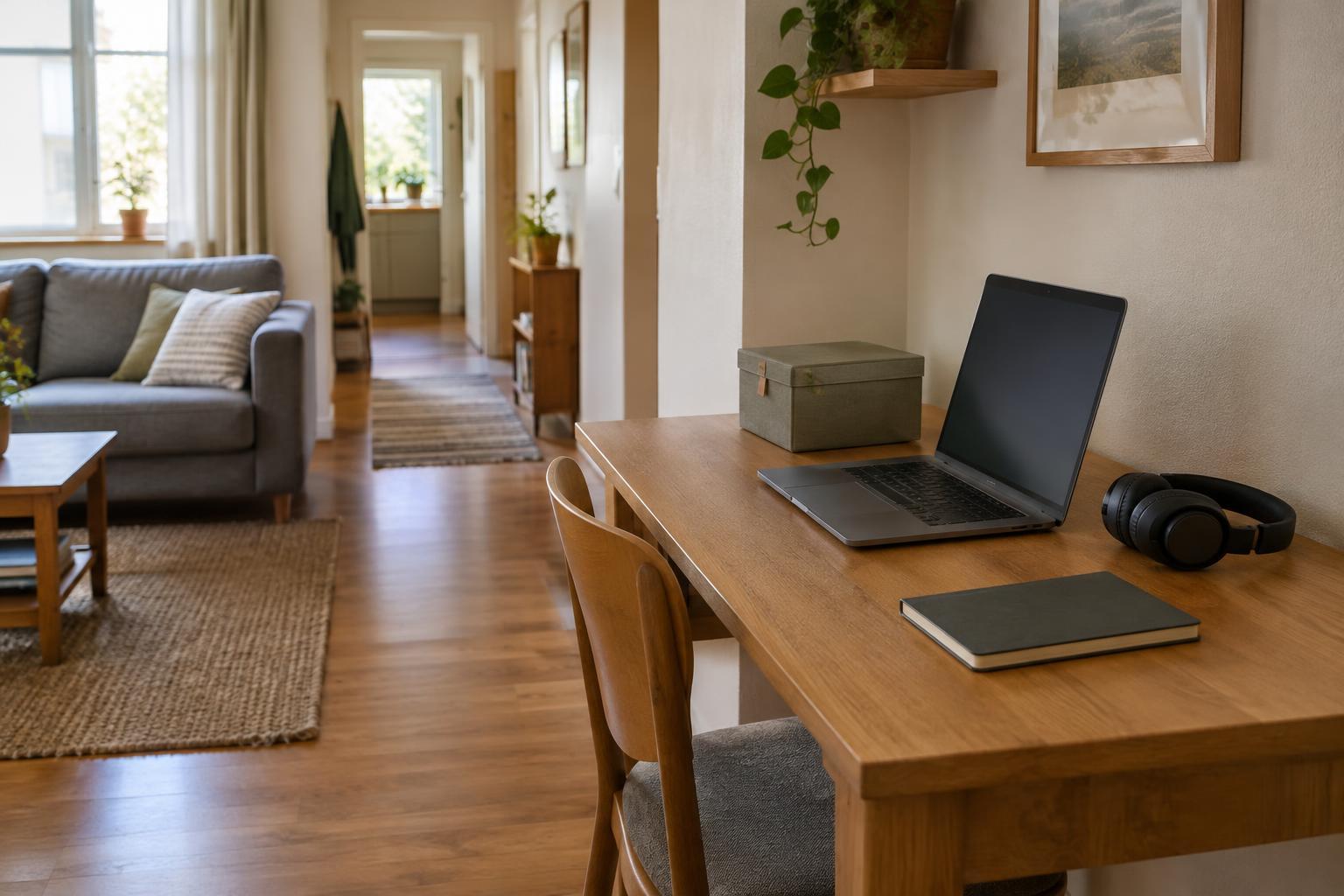
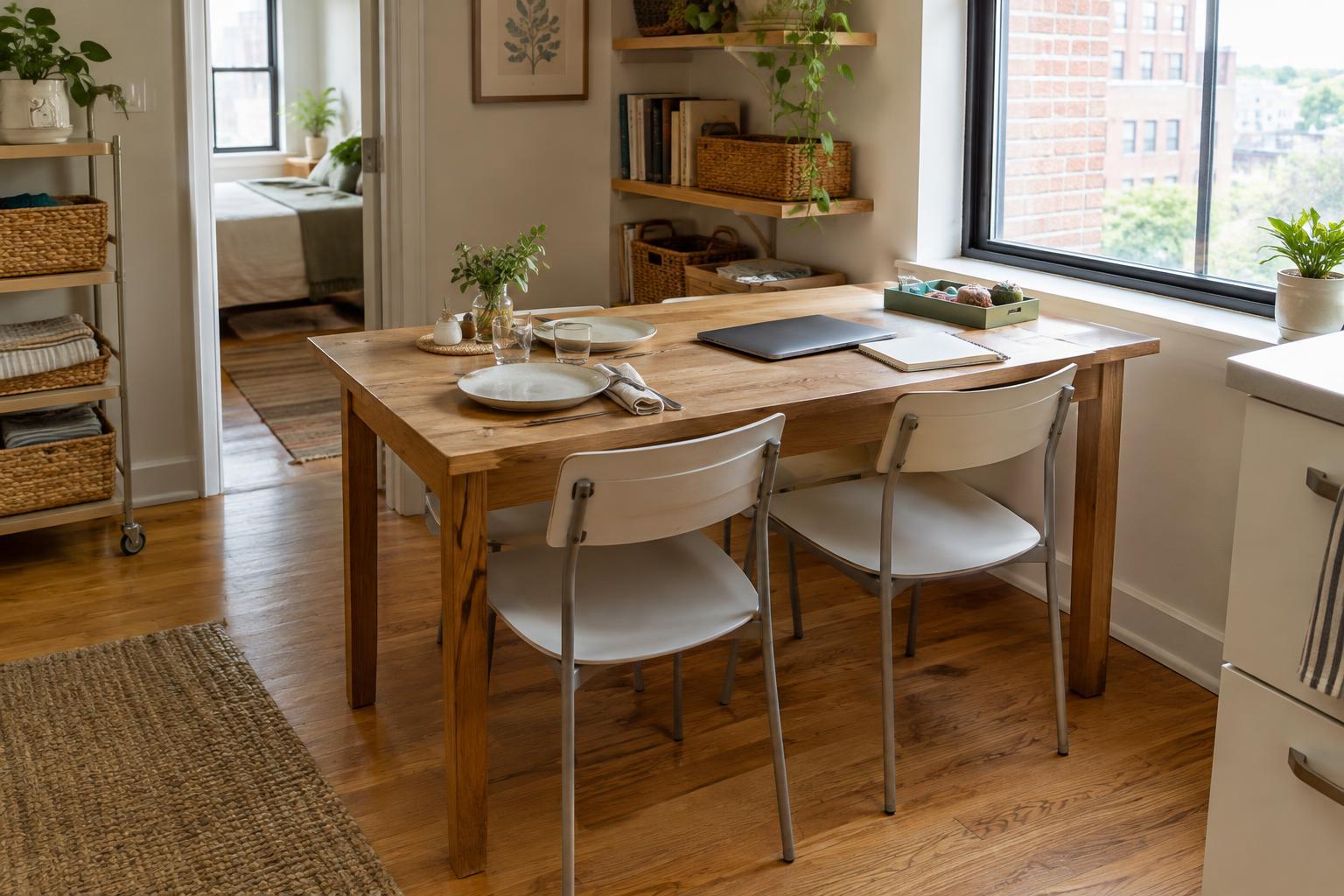
The best guest bed is the one that works when no guest is there. In a home office, that may mean keeping enough floor clear for a desk chair. In a living room, it may mean having a seat you genuinely want to use each evening. In a spare room that doubles as a reading nook, an inviting place to stretch out could matter more than formal seating.
Before comparing styles, mark the proposed furniture footprint on the floor with removable tape or sheets of paper. Then mark its sleeping position too. Check whether doors, drawers, and wardrobes still open and whether someone can walk around the bed at night. Product dimensions should include the full length of a pulled-out bed or reclined futon, not just the neat daytime shape shown in a listing.
Choose a sofa bed for a room that needs a sofa
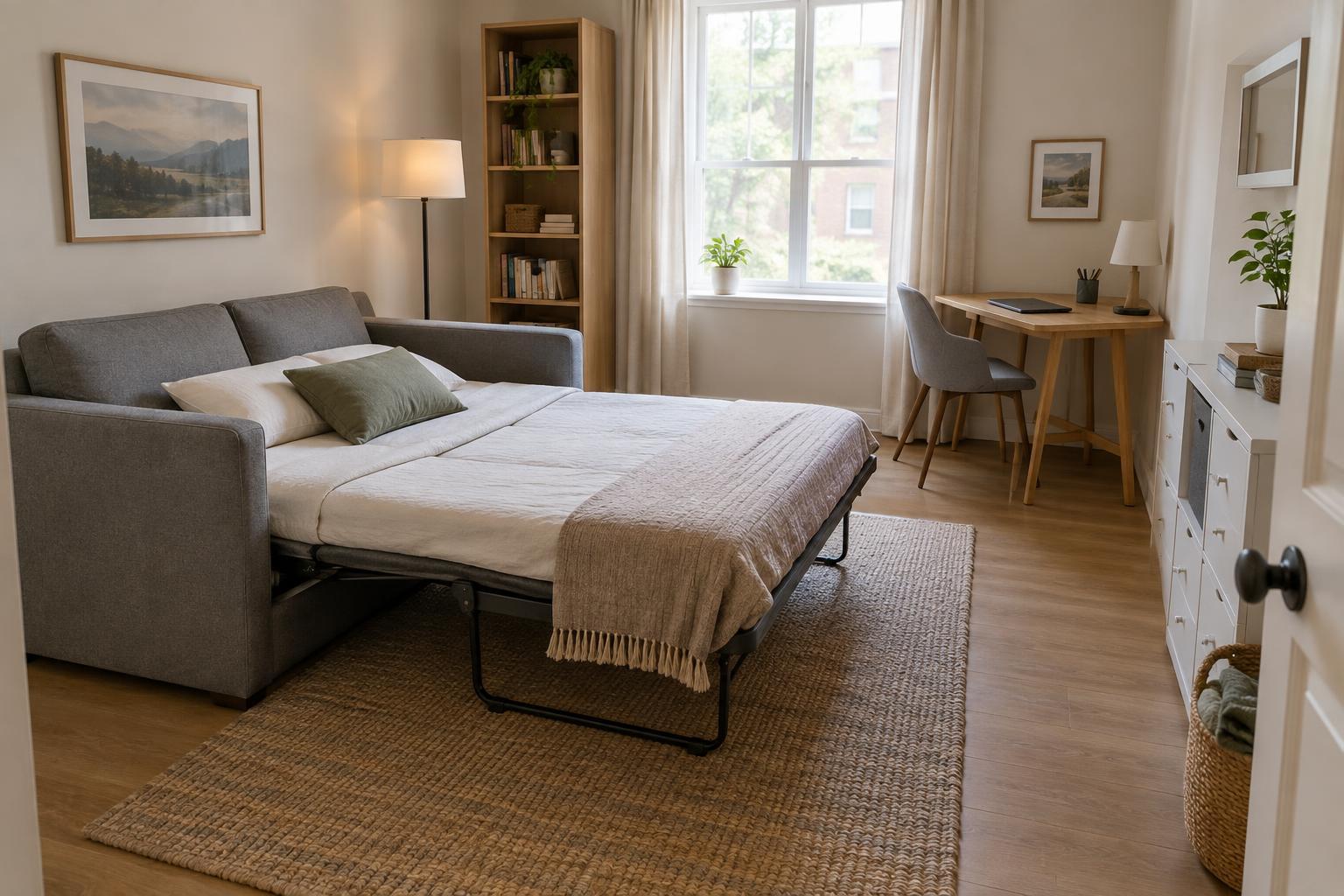
A sofa bed makes sense when the room regularly hosts conversation, television time, or relaxed seating. It looks and functions much like a sofa during the day, then opens into a sleeping surface. Styles differ: some pull out a separate mattress, while others fold the seat and back into a bed. The mechanism affects both comfort and the space needed in front, so try opening the exact model if possible.
Think about the trade-off between a pleasant seat and a pleasant bed. A firm seat may not translate into a supportive sleeping surface, and a comfortable mattress may sit inside a bulky frame. Ask how heavy the bed feels to open, whether cushions need somewhere to go, and whether you can reach the bedding cupboard once it is extended. For a narrow multipurpose living room, a compact sofa bed may be worthwhile if guests visit often enough to justify its larger footprint and price.
Consider a futon for simple, flexible use
A futon usually changes from a seat to a bed by flattening its frame or cushion. Its straightforward shape can suit a casual room, and some versions take up less visual space than a traditional sofa bed. It can also be a practical choice when you want seating by day but do not need the upholstered look of a full sofa.
Do not assume that every futon is light or easy to move. Check the weight, the folding action, and how much clearance it needs behind or in front of the frame. Pay particular attention to the mattress: a thin cushion may be fine for an occasional night but less suitable for a longer stay. If the futon will be your main daytime seat, sit on it before buying or check the return terms carefully. The cheapest option is poor value if it is uncomfortable in its most-used position.
Pick a daybed when the layout can stay put
A daybed is a bed-sized frame styled to work as a seat, often with a back and sides. Unlike most sofa beds or futons, its sleeping surface generally stays in place. That makes setup quick: remove the extra cushions, add suitable bedding, and the bed is ready. Some designs include drawers or space for storage boxes underneath, which can be helpful in a room without a linen cupboard.
Its fixed footprint is also its main limitation. A daybed can occupy more floor space throughout the day than a sofa that opens only at night, and its deep seat may be awkward for upright sitting without substantial back cushions. It is often a good fit along the wall of a study or hobby room where the floor plan can accommodate a permanent single sleeping surface. Check the mattress size the frame accepts rather than assuming standard bedding will fit.
Make the final choice with a guest-night test
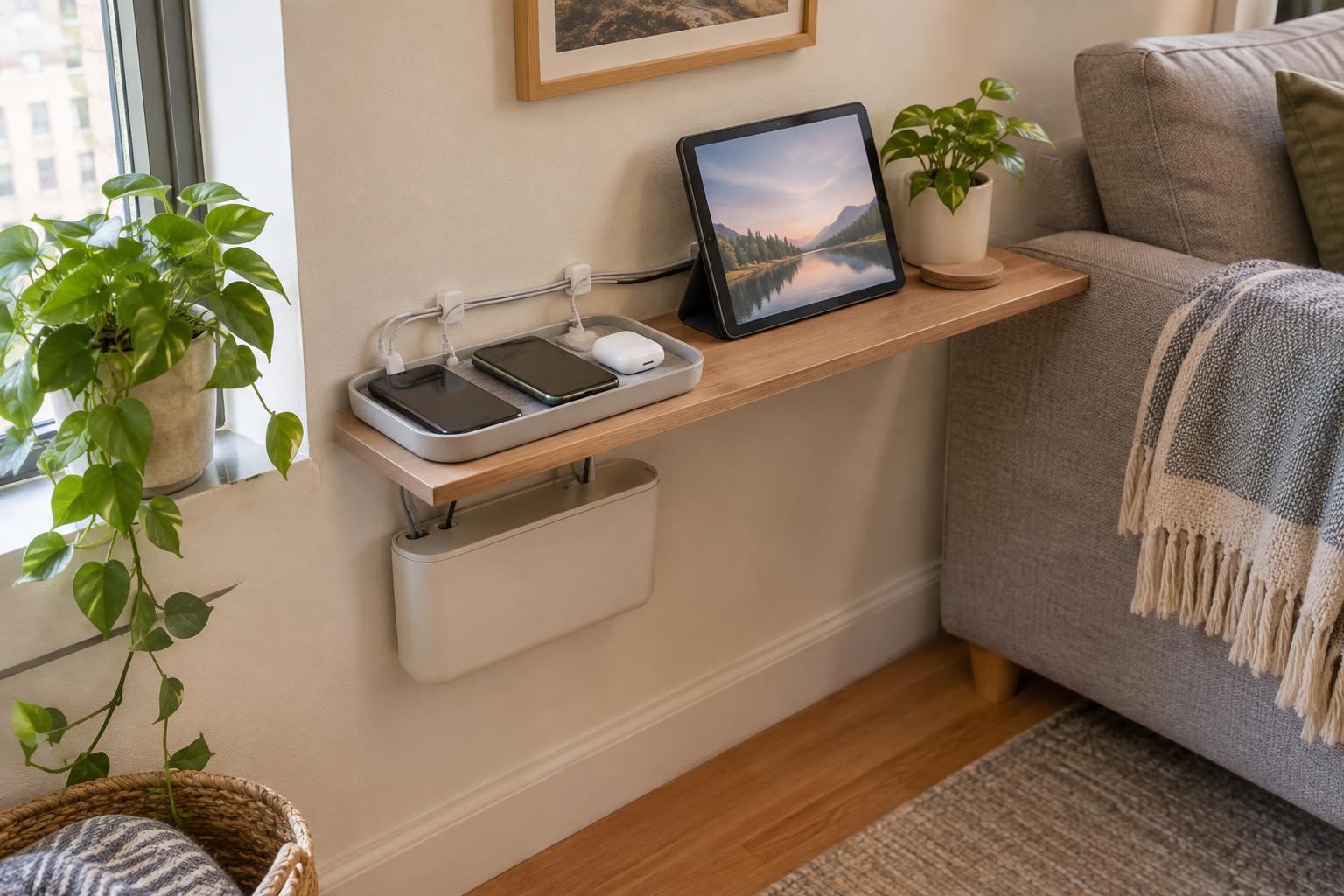
Imagine the full routine: where a guest puts a bag, charges a phone, switches off a light, and walks to the door in the dark. Leave a clear route and a spot for bedding when the furniture returns to daytime use. A small side table or accessible shelf may do more for the room than squeezing in a larger bed that blocks everything else.
For occasional guests in a room that must feel like a living room, start your search with sofa beds. For a casual space where simple conversion matters, compare futons. For a room with room for a permanent bed footprint, look at daybeds. Whichever style you choose, measure it in both modes, check how it feels in the position you will use most, and include a mattress protector and bedding storage in the overall plan.