Measure before buying more containers
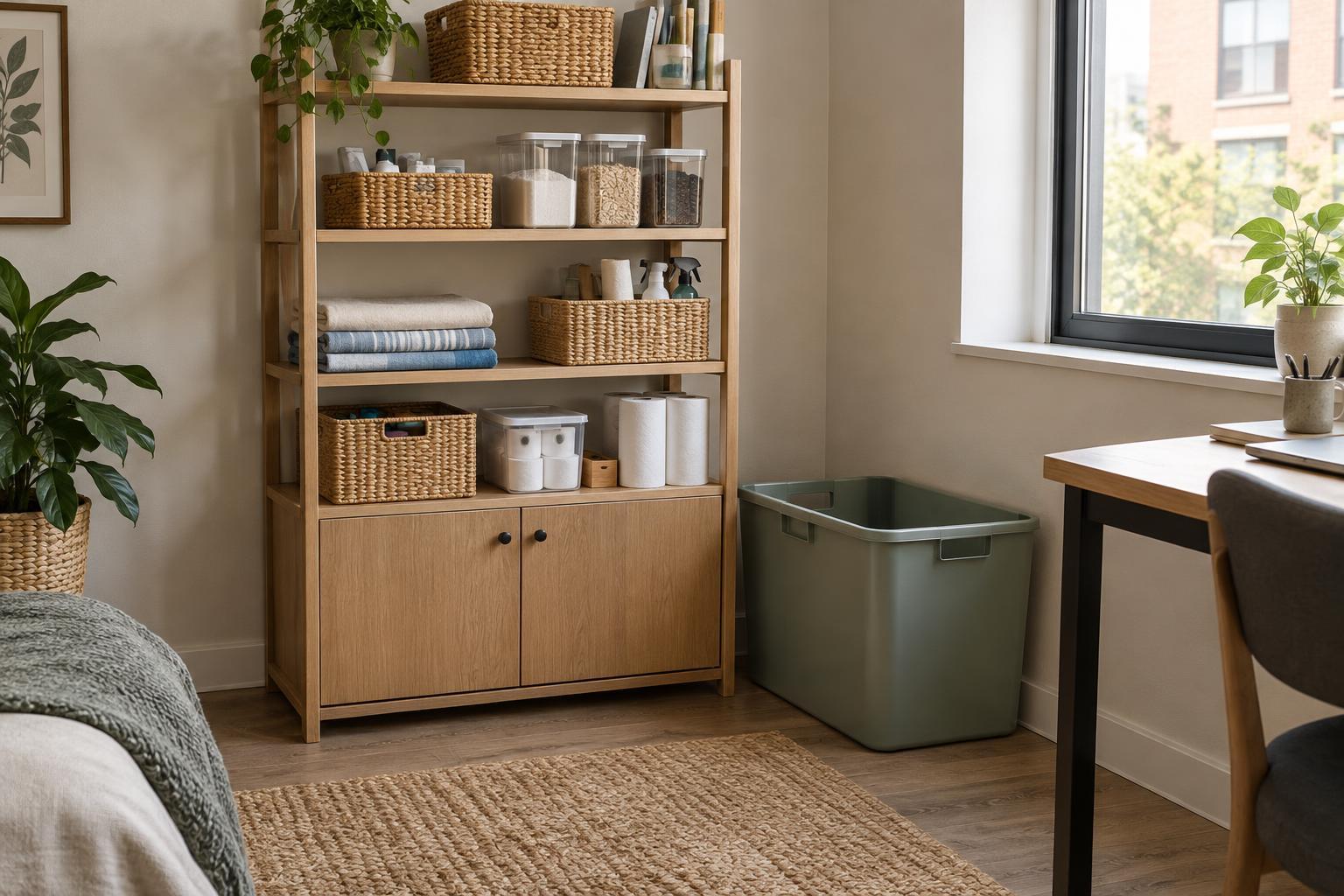
A large bin can look like an efficient purchase, especially when clutter is spread across a room. But a bin that barely fits its shelf may be difficult to pull out, and a deep container can turn small items into a jumble. Before buying anything, measure the width, depth and height of the spot where it will live. Leave enough room to grip the container and remove it without shifting furniture.
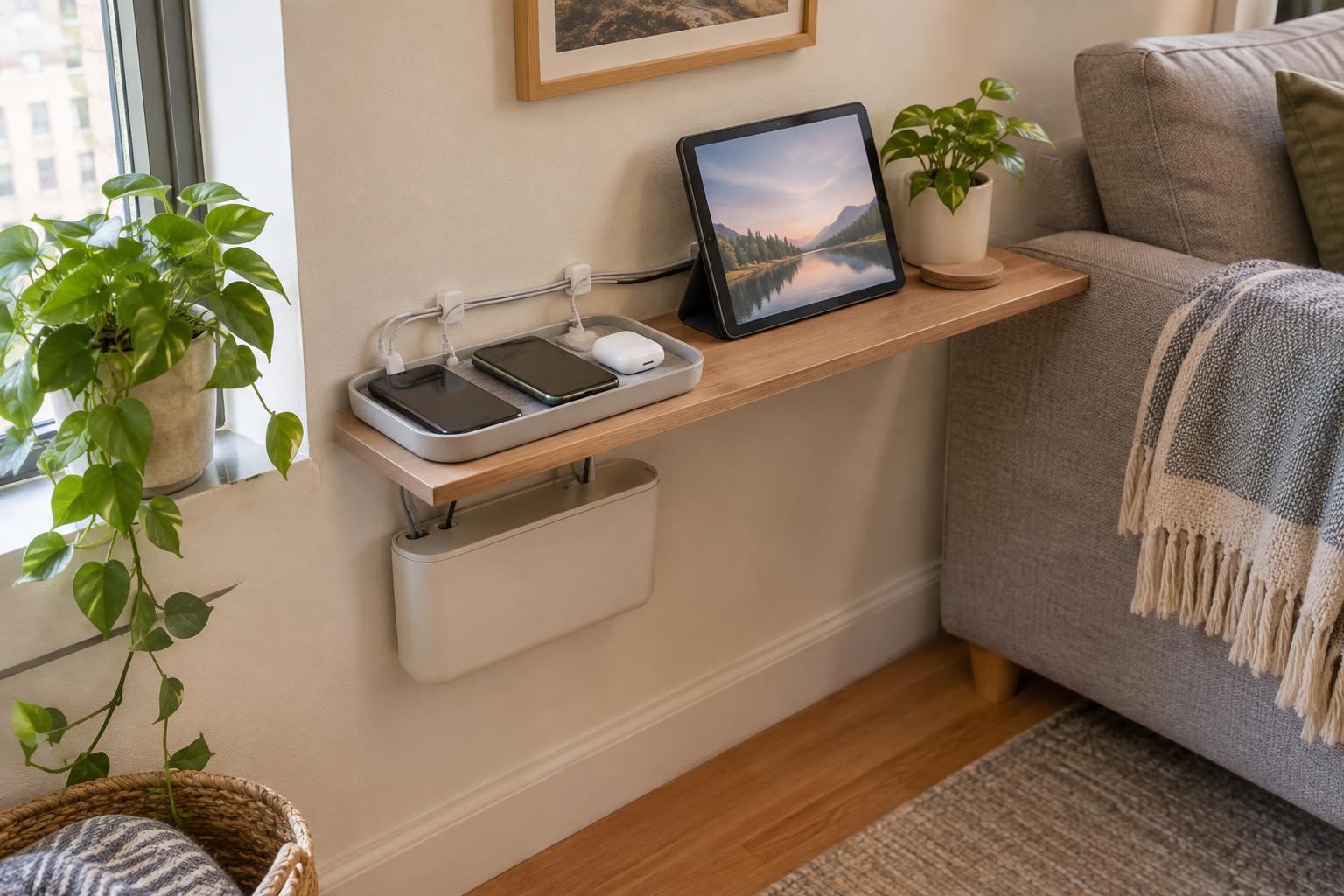
Then check what needs storing. Gather similar items and choose a container based on that group, rather than filling whatever bin is on sale. Shallow boxes often work better for stationery, toiletries or charging cables because you can see the contents at a glance. Reused shoe boxes or small cardboard cartons can help you test a size before spending money on matching containers.
Keep everyday items within easy reach
An empty high shelf can be tempting, but it is a poor home for something used every morning. If retrieving an item requires a step stool or moving other belongings, it may end up on the counter instead. Reserve reachable shelves and drawers for things you use often. Place occasional-use items, such as spare bedding or seasonal decorations, higher up.
Pay attention to weight as well as frequency. Heavy cookware or a box of books is easier to manage at a comfortable lifting height than overhead. If an upper shelf is the only available spot, use it for lightweight items in containers you can handle securely. The goal is not to fill every available inch; it is to make putting things away as easy as taking them out.
Avoid hiding things behind other things
A cabinet can hold plenty and still function badly if its contents are stacked three rows deep. The items at the back become easy to forget, while reaching them means unloading the front. Try grouping belongings by task: tea and coffee supplies together, for example, or work-from-home cables beside the laptop accessories. A small tray can let you lift out a whole group at once.
Clear containers may help where you need to identify contents quickly, but you do not need to replace every opaque box. Labels on the front work well, too. In a shared room, use names that everyone understands rather than vague labels such as “miscellaneous.” If a container holds unrelated items, that may be a sign that those items need separate homes.
Leave room for the storage to work
Overfilling a drawer or shelf can make even a carefully organized system frustrating. Clothes get compressed, papers catch on the drawer above, and one new purchase has nowhere to go. Aim for enough free space to move items without forcing them. If a drawer will not close comfortably, remove its contents and decide what still belongs there before adding dividers.
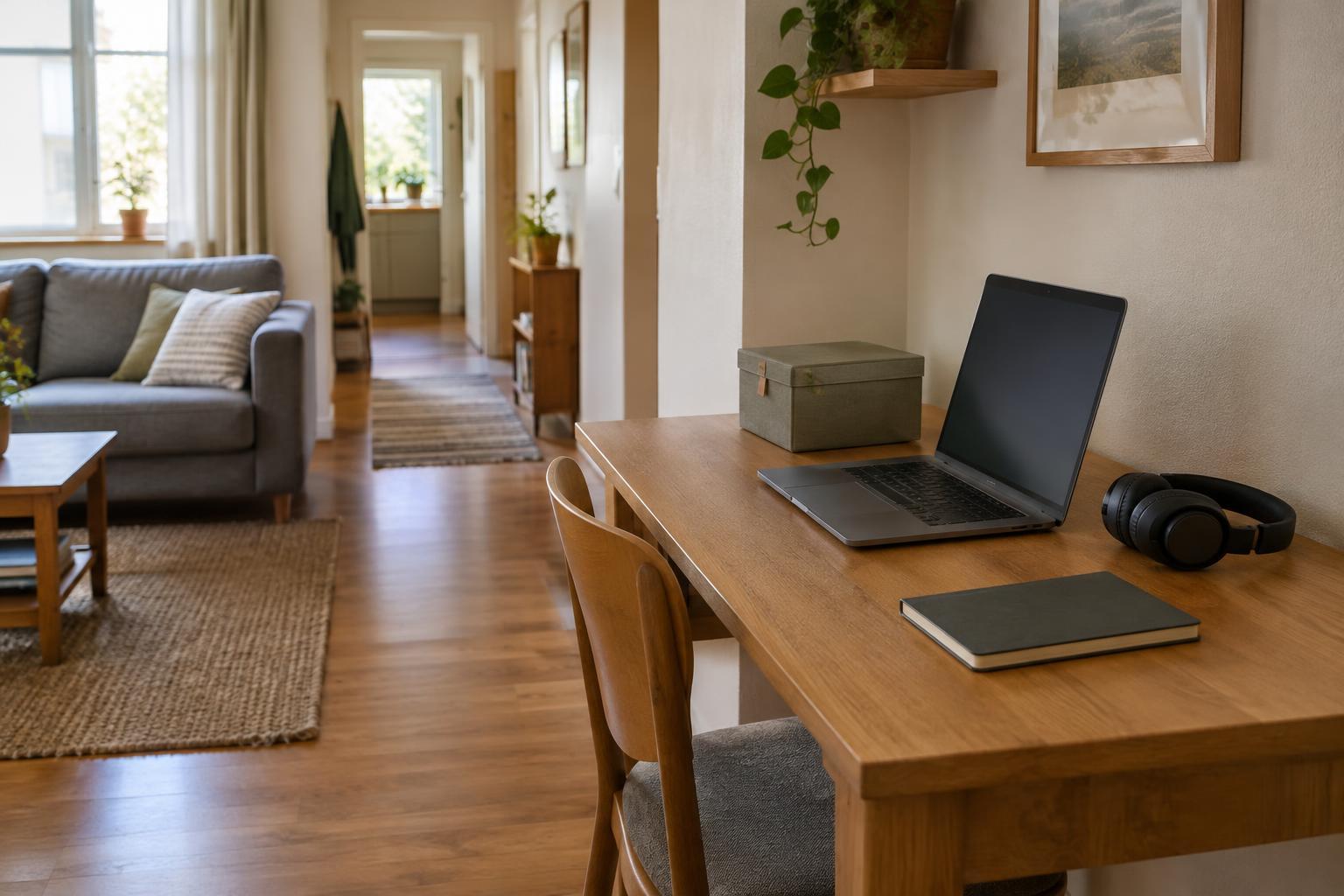
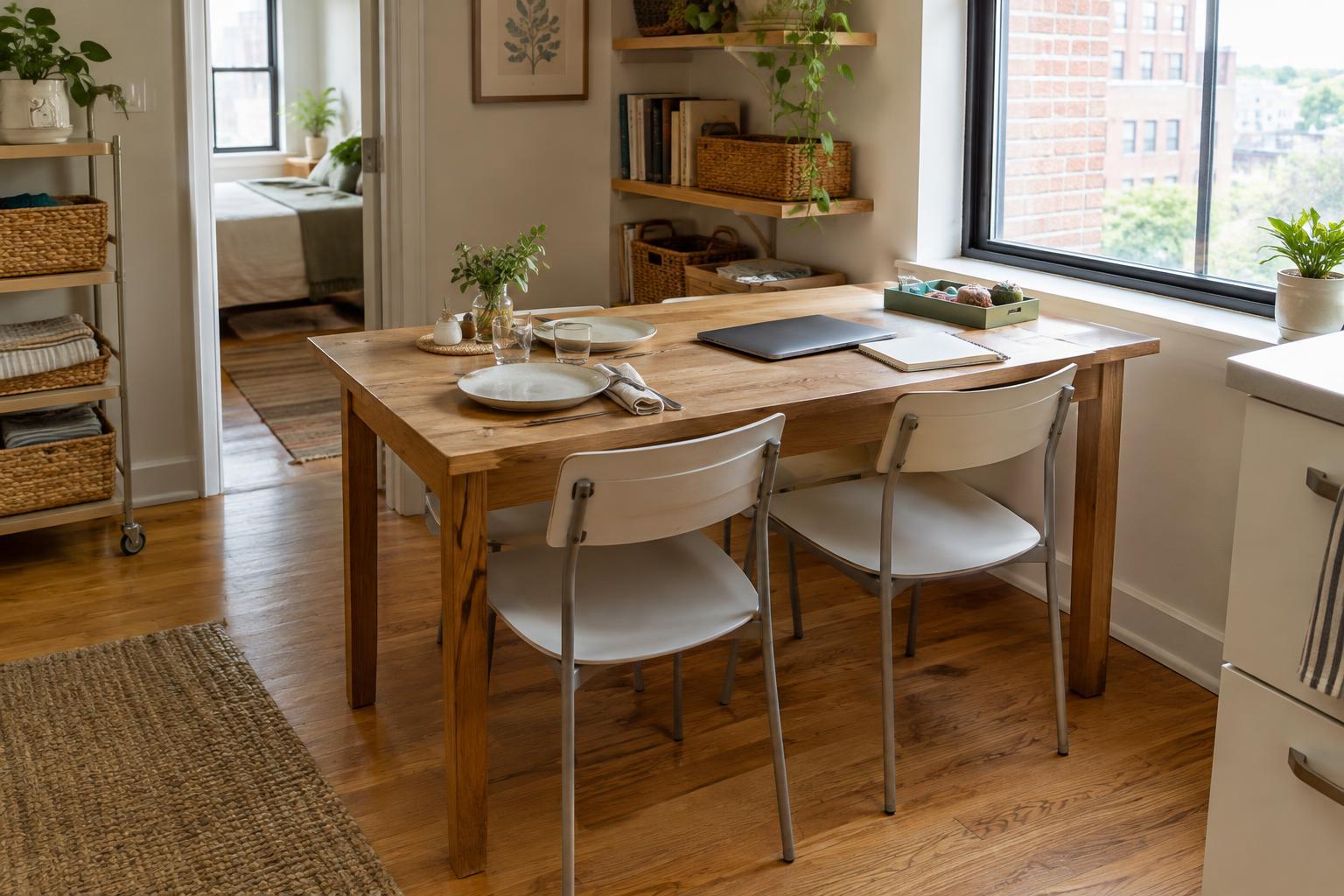
Avoid treating the floor, a chair or the top of a multipurpose desk as permanent overflow. In a compact room, those surfaces may be needed for walking, sitting or working. If possessions do not fit in the storage available, start with duplicates, empty packaging and items no longer used. A smaller, useful collection often helps more than another cabinet.
Choose a system you can maintain
A storage plan may look tidy on day one but fail if putting things away takes several steps. A lidded basket inside a cupboard, for instance, may be fine for guest linens but inconvenient for the bag you carry each day. Give frequently used belongings simple landing spots: a hook near the door, an open tray for keys or an accessible drawer for work supplies. These can be modest additions rather than a full room makeover.
Live with a proposed arrangement before buying permanent fittings. Use temporary labels and the containers you already own for a week or two, then notice what keeps ending up elsewhere. That pattern can reveal a better location. Small-space storage succeeds when it follows daily habits, leaves room to move and makes the next tidy-up straightforward.