Start with the room’s daily jobs
Before choosing a color or buying a cushion, write down what happens in the room on a typical day. A bedroom might also be a workspace; a living room might need space for exercise or guests. Pick the two or three activities that matter most, then note what gets in their way. A chair that blocks a cupboard, a dark work surface or nowhere to put everyday items may be more important than the wall color.
Take photos from the doorway and from the places where you usually sit or stand. They can make crowded corners and awkward furniture placement easier to spot. Then set a limit for both spending and effort. Include a little room for supplies such as filler, tape or cleaning materials, and decide whether the project needs to fit into one weekend or can happen in stages. A clear limit helps you choose changes you can finish, rather than starting several at once.
Change the layout before buying anything
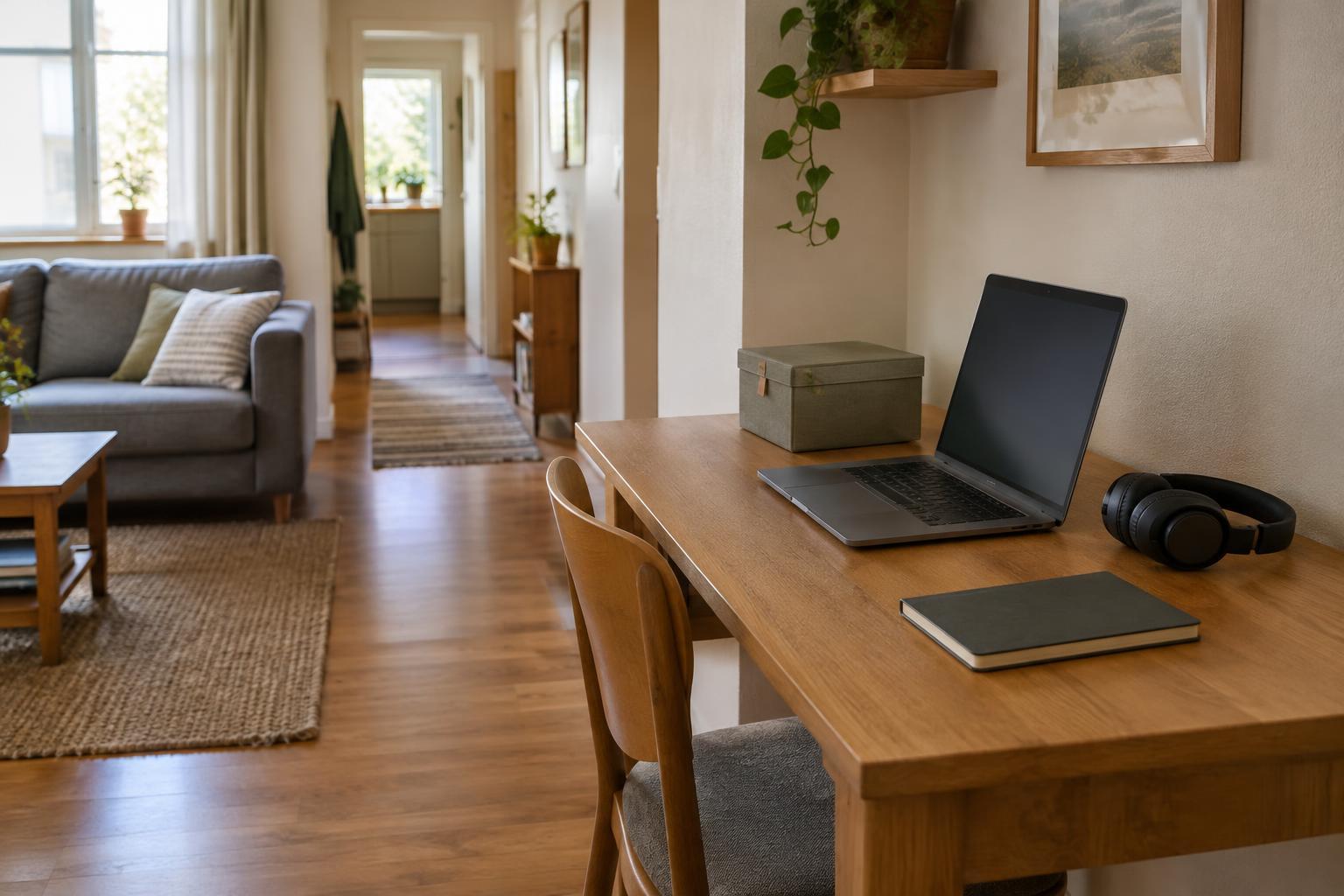
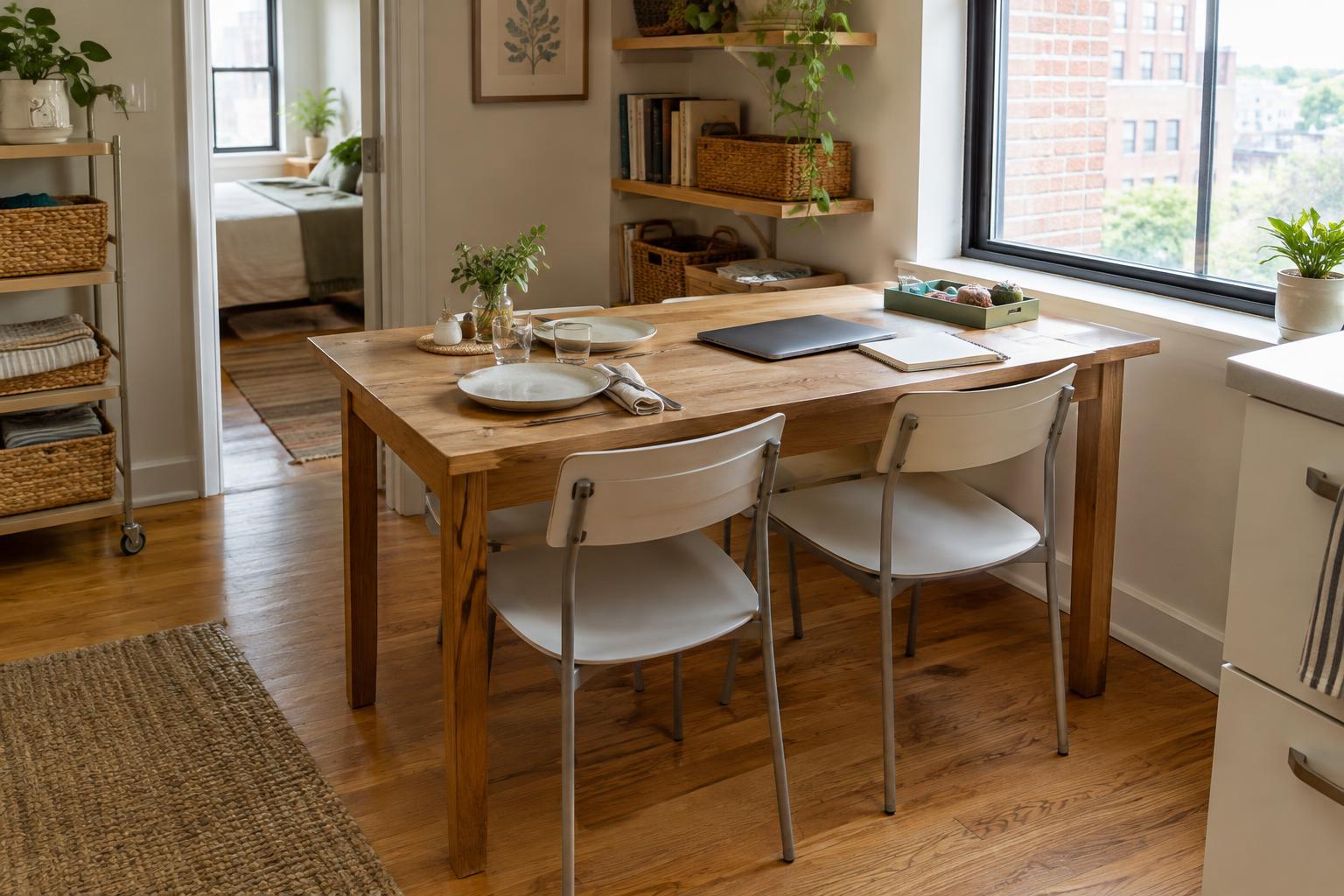
Moving what you already own is a useful first test because it costs nothing. Check that doors and drawers open fully and that you can move through the room without edging around furniture. In a multipurpose room, try to give each activity a clear place: a lamp and tray can define a reading corner, while a cleared section of table can serve as a work area. Keep items used daily within easy reach and move less-used belongings elsewhere if possible.
As you rearrange, remove things that are displayed only because they have always been there. You do not need to strip the room bare; leaving a little open space around a favorite print or plant can give it more presence. Live with the new layout for a few days before spending money. You may discover that a storage problem needs a basket you already have, or that a proposed side table would crowd the walking space.
Fix the most visible friction points
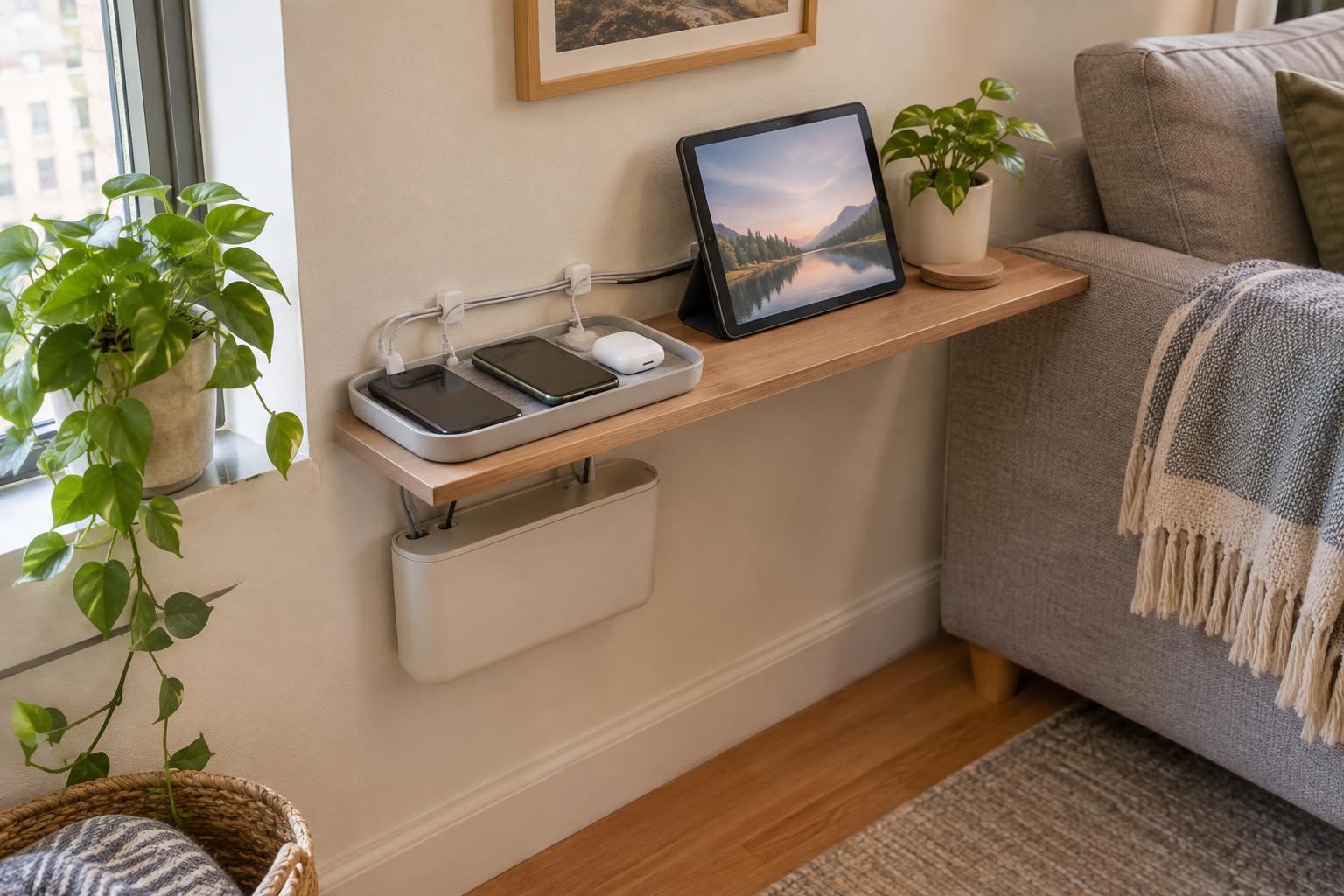
Once the layout works, look for small improvements you will notice repeatedly. Cleaning marks from a light switch, securing a loose curtain tieback or tidying visible cables may make the room feel more considered. Repair only what you can do safely; leave electrical work and other specialist repairs to qualified people. A thorough clean is also a useful reset before you decide that a surface needs replacing.
Lighting deserves attention in a compact room because one overhead fixture may not suit every task. Try moving an existing lamp to the place where you read or work, and check whether a shade or curtain is blocking useful daylight. If you do need a lamp, choose it for the activity it supports and measure the surface it will occupy. This is often a more purposeful purchase than a decorative object with no clear home.
Choose one noticeable decorative change
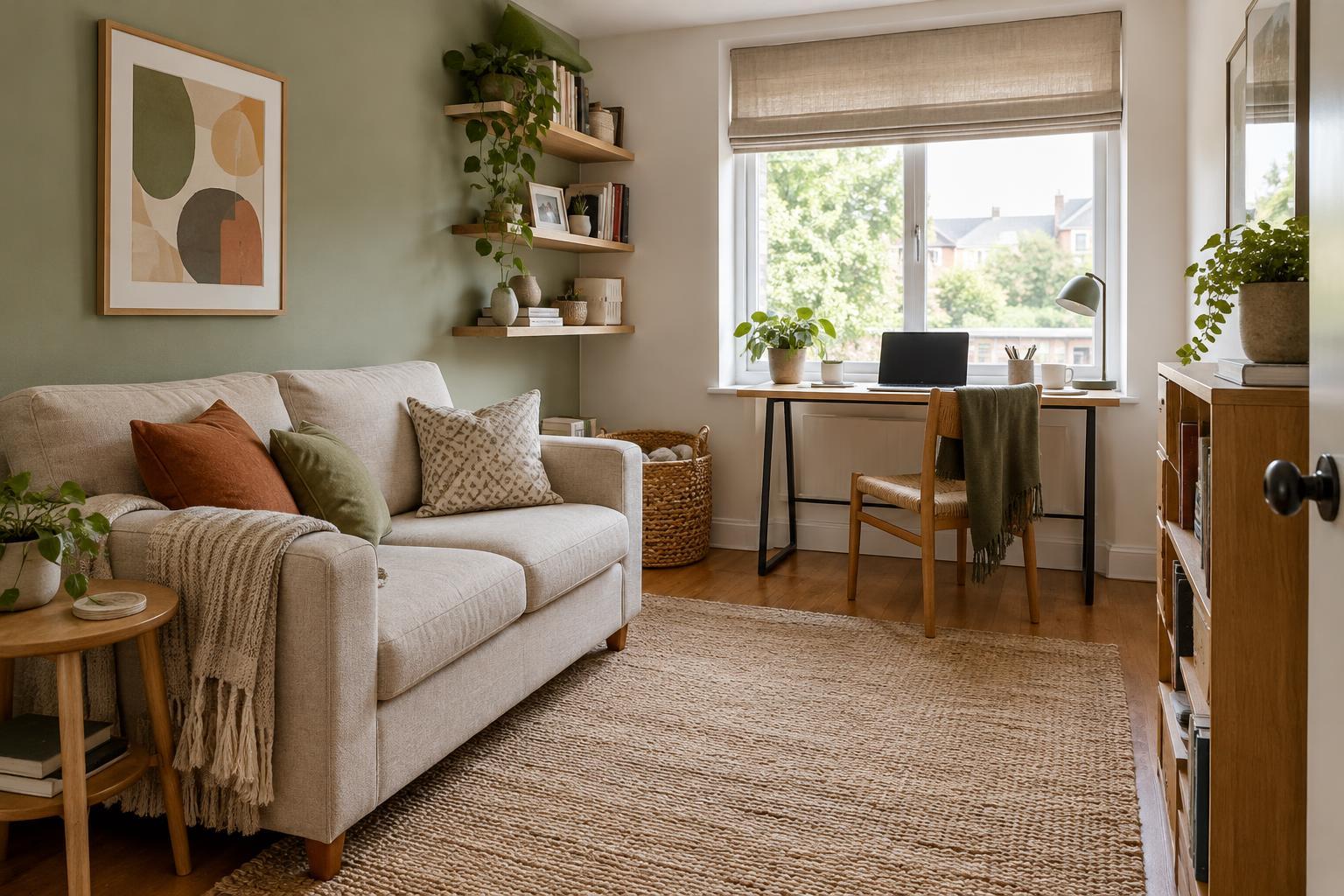
After the practical issues are addressed, pick one change that will give the room a fresh look. That might be repainting a single wall, replacing worn cushion covers, changing a curtain or grouping artwork more deliberately. Choose based on what you see most often, not on how many items you can buy. In a small room, a few coordinated changes usually feel calmer than several unrelated accents.
For paint, test a sample in the room and look at it at different times of day before committing. Measure the area and check what preparation and supplies you need; the paint itself is not the whole project cost. If painting is not practical, textiles or rearranged artwork can add color without altering the walls. Renters should check their agreement before making changes that require permission, including holes, adhesive products or repainting.
Spend in order, then stop and reassess
A simple spending order is: make the room function, handle minor upkeep, improve task lighting if needed, then add decoration. Your order may differ if, for example, the room already works well but its curtains no longer provide enough privacy. Before each purchase, ask where the item will go, what it will replace or improve, and whether it fits the space. Measure furniture and textiles rather than relying on how they look in a shop photo.
You can also divide the refresh into a no-cost stage and a paid stage. Rearrange, clean and edit first; then buy the one or two things that solve problems you still notice. Keep receipts and packaging until you are sure each item works in the room. The goal is not to make a small space look newly furnished. It is to make the space easier to use and more pleasant to spend time in, without creating another pile of things to store.