Start with the job you need done most often
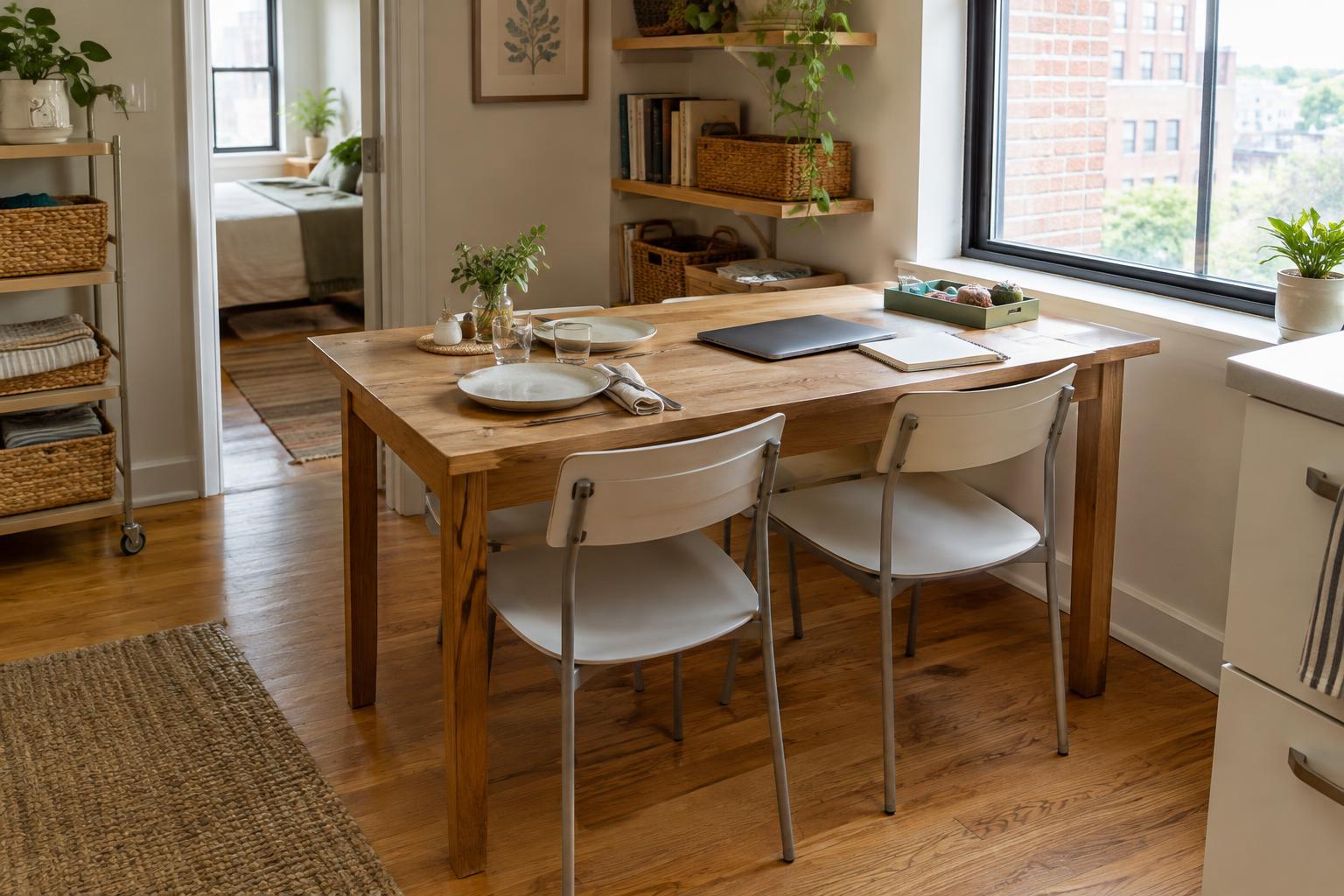
In a compact room, it is tempting to ask one piece of furniture to do everything. A dining table could also be a desk, craft surface and storage unit. A sofa might offer a guest bed and hidden compartments. Those combinations can be helpful, but every extra function may affect comfort, size, price or ease of use. Begin by naming the piece’s main job: the task it must do well on an ordinary day.
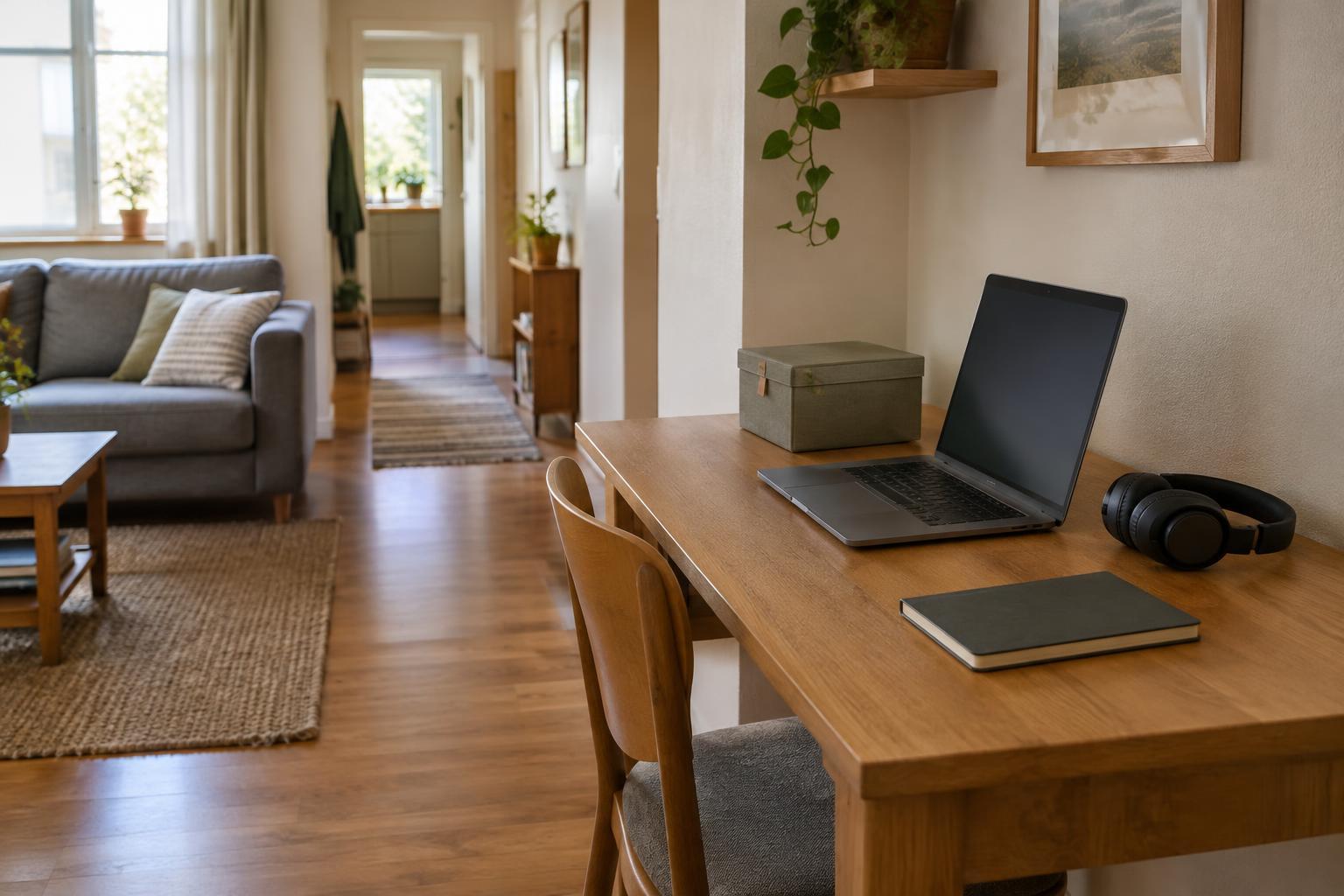
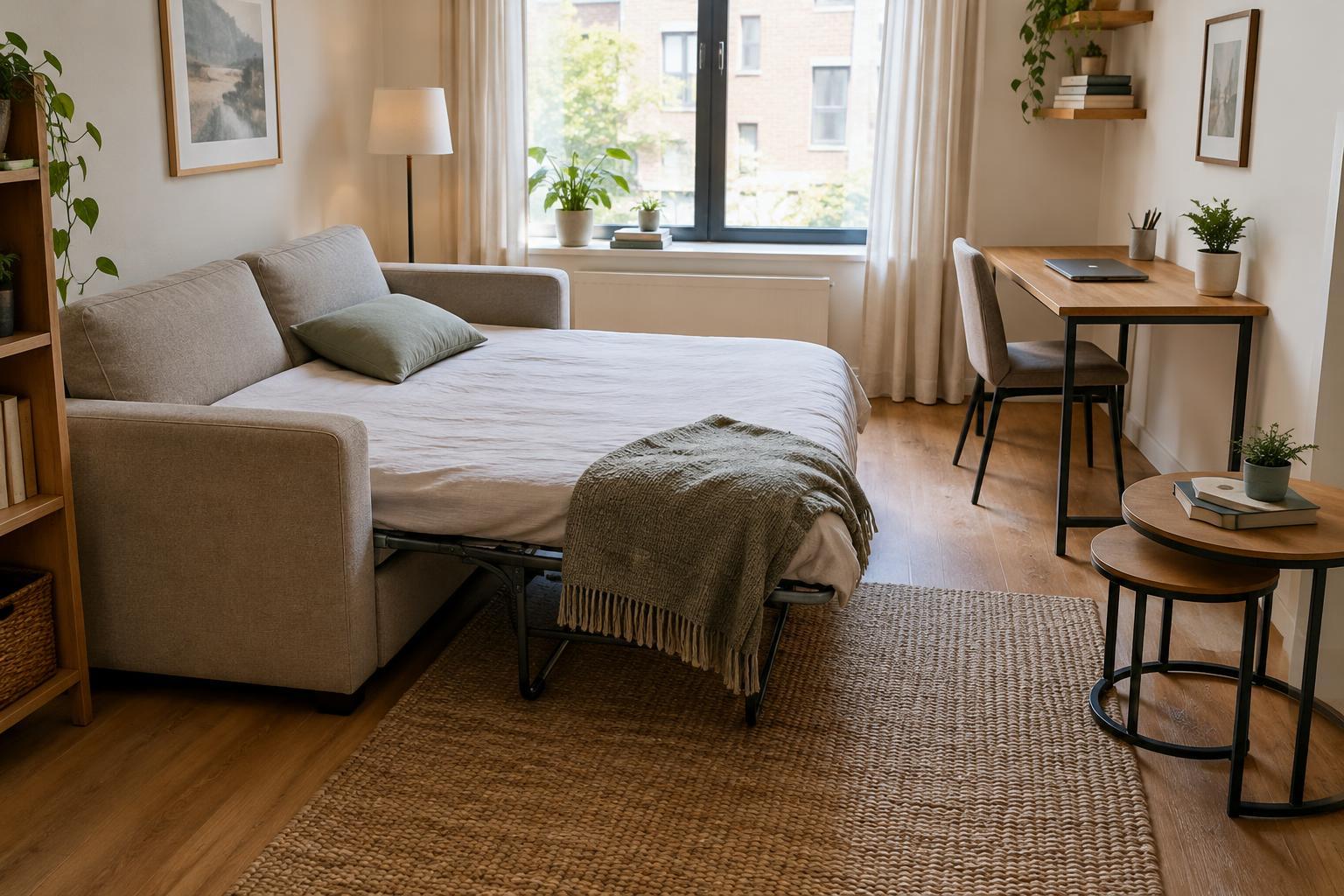
Then list possible secondary jobs and how often they happen. If you work at home most weekdays but host dinner a few times a year, a comfortable desk-height surface may matter more than seating for six. If a guest sleeps over regularly, a usable bed may deserve priority over built-in storage. Be honest about what you do, not just what you hope the room might accommodate someday.
Test each function against a real routine
A useful function fits into the way you already move through the room. Picture a typical day and describe the steps required to use the furniture. To turn a desk into a dining table, would you have to clear work equipment, move a lamp and find somewhere to put paperwork? If that changeover happens every evening, even a small amount of friction can become tiring. A separate folding surface might serve you better.
Ask who will use each function and what they need. A storage bench near the door might hold shoes while providing a place to sit and put them on. Both jobs happen in the same spot, so the pairing makes sense. By contrast, a coffee table with shelves may add little value if the shelves are hard to reach once people are seated. Keep functions that make a routine easier; question those that merely sound versatile.
Measure the room in every position
Furniture dimensions on a product page usually describe just one position. Before choosing an extending table, sofa bed or drop-leaf desk, check its footprint when closed, open and in use. Allow space to pull out chairs, walk past an open drawer and unfold a bed without shifting half the room. Mark the proposed footprint on the floor with removable tape, or cut paper to size, and move through a few ordinary tasks.
Pay attention to where the furniture’s moving parts go. A lift-top coffee table needs clearance above it; a hinged desk may block a doorway when open. Also consider where any displaced objects will live during a changeover. If opening a guest bed requires moving a heavy table into the hallway, the bed’s apparent space-saving benefit comes with a recurring inconvenience.
Set a budget for usefulness, not feature count
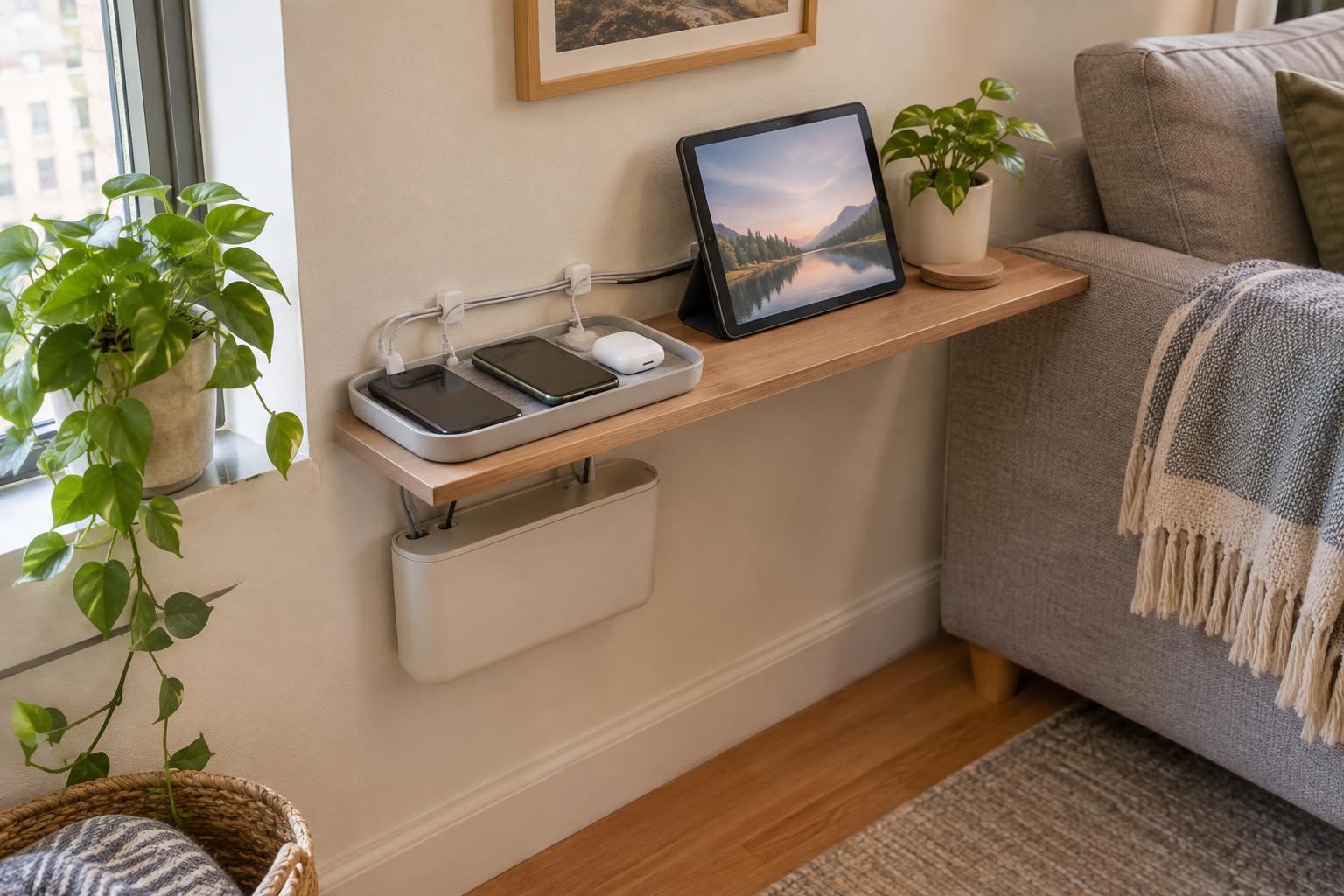
Set your spending limit before comparing models, then separate essentials from extras. An essential function solves a problem you have now and works without an awkward setup. An optional function would be pleasant but rarely used. This distinction helps when a feature-packed piece costs more than a simpler, sturdier alternative. It can also keep you from paying for storage compartments when a basket you already own would do the job.
Compare the full cost of making each option work. A sofa bed may need bedding and a place to store it. A wall-mounted folding desk may require suitable fixings and careful installation. A basic table paired with stackable chairs might be more practical than an elaborate expanding table, depending on your room and how often you host. Where possible, try moving parts in person and check whether they feel manageable for the people who will use them.
Choose the simplest combination that passes the test
Before buying, give each proposed function a final check: Will you use it often enough? Can you switch to it easily? Does it work without blocking another important activity? And does the piece still perform its main job comfortably? If the answer to one of these is no, look for a simpler arrangement rather than assuming more features will make the room more flexible.
Flexibility does not always have to be built into a single object. A straightforward desk and a portable trolley can serve home working and hobby storage without requiring a complicated desk. A compact sofa and a folding guest mattress may suit a room where overnight visitors are rare. The best choice is the one that supports daily life first and makes occasional changes reasonably easy—not the one with the longest list of possible uses.