Start with the day you actually have
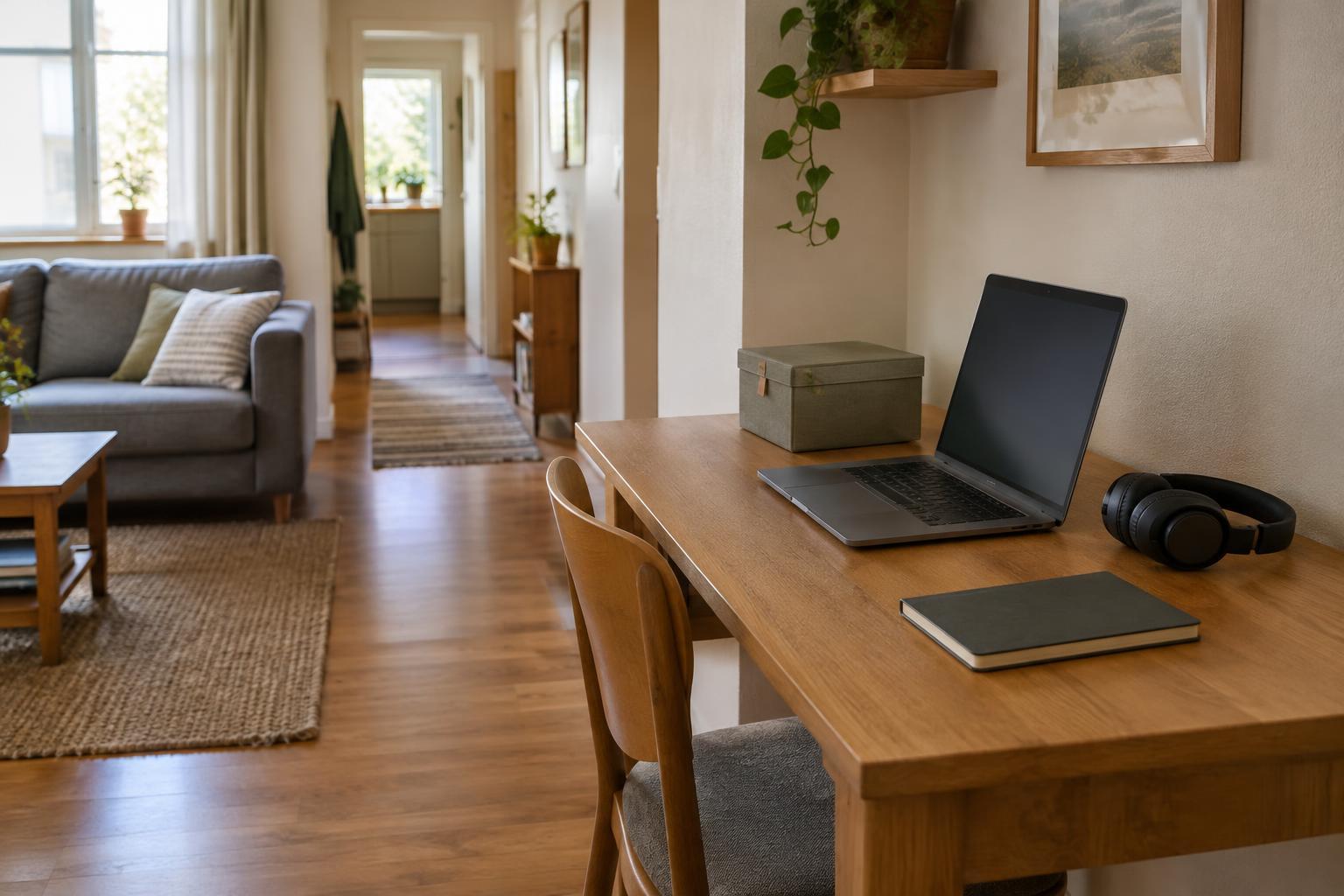
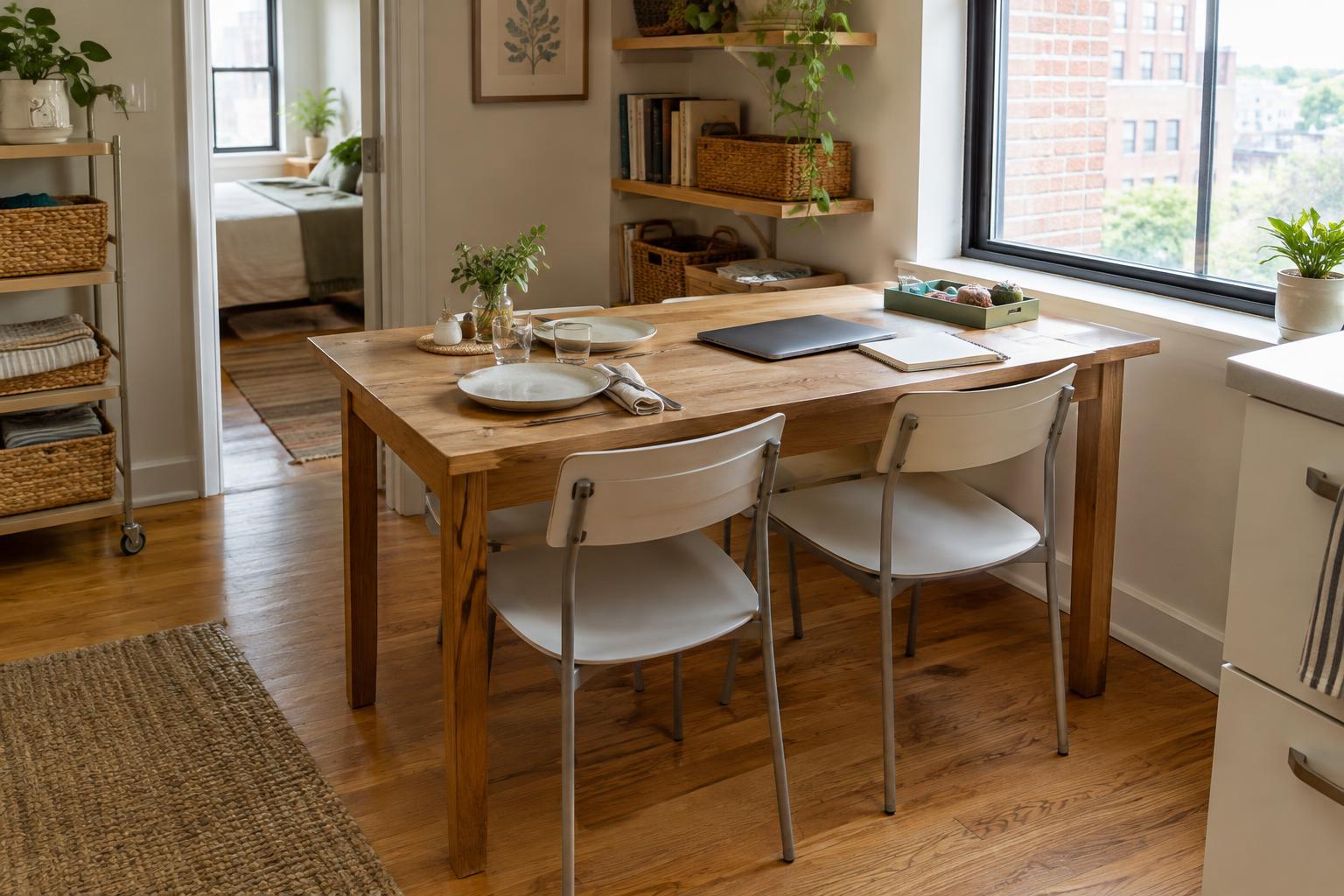
When your home workspace is also a dining table, bedroom corner or living room, it is easy to stay in one spot until the next meeting. A useful break plan does not require a separate room, exercise equipment or an empty calendar. It needs a few moments you can repeat without disrupting your work or the people who share your space.
Look at a typical day and mark its natural transitions: before opening your inbox, after a call, while a document saves, or when you finish a task. Choose two or three of these as break cues. Tying a pause to something you already do is often simpler than following a strict schedule. If a cue does not work because meetings regularly run long, move it to a more dependable point in the day.
Make movement easy in a compact room
Movement can be modest. Stand while reviewing a short note, walk to refill your water, or take a lap through your home before starting the next task. If you cannot leave the room, stand beside your chair and gently change position for a minute. The aim is to interrupt a long stretch in one position, not to turn every break into a workout.
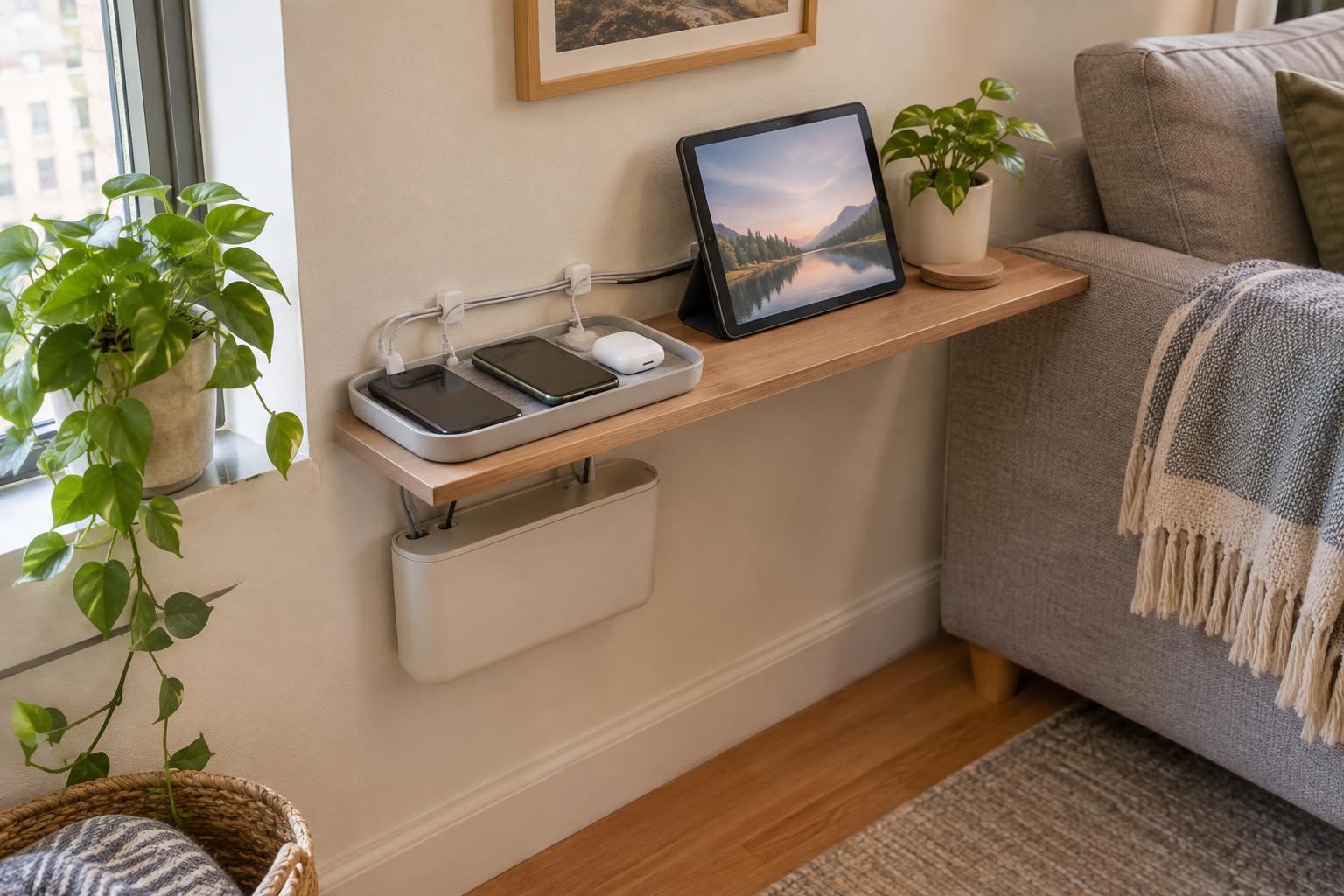
Keep the route and floor area practical. Tuck loose cables out of the walkway, slide the chair under the desk and avoid placing bags where you will step. In a shared room, quiet options such as standing during an audio-only call or walking to another room between calls may be less disruptive than pacing behind someone else. You can also pair a routine household task, such as putting a mug in the sink, with a natural work transition.
Give your eyes a change of task
A screen break is not much of a break if you immediately pick up your phone. Between screen-heavy tasks, look away from displays and focus on something farther across the room or out of a window, if one is available. You might use that moment to stand, stretch your hands or simply pause before reading the next page. Keep the pause comfortable rather than treating it as another task to complete perfectly.
Some work can happen away from a screen. Before a meeting, jot down three questions on paper. When planning a project, sketch a rough outline in a notebook or talk through an idea while walking around the room. Paper is not always more efficient, so use it selectively: the point is to give yourself an occasional alternative to scrolling, not to create extra copying later.
Plan for meetings and interruptions
Back-to-back calls can erase the gaps you expected to use. If you control your calendar, leave a little space between some meetings for notes, a drink and a change of position. If you do not control it, use smaller openings: stand before joining, look away from the screen while listening when visual attention is not needed, or take a brief walk once the call ends. Check what each meeting requires before switching off your camera or moving away.
Breaks also need to fit household realities. If the table must be cleared for lunch, use that changeover as a chance to step away from the screen. If children, housemates or deliveries interrupt you, you do not need to count every interruption as restorative. A pause spent solving another problem may leave you wanting a quieter moment later.
Keep the system flexible
Put a small reminder where you will notice it without adding clutter: a note beside your monitor, a recurring calendar prompt or a water bottle that you refill away from the desk. Choose one reminder first. Too many alerts can become easy to dismiss, especially during focused work. At the end of a week, notice which cue led to a useful pause and which one kept arriving at the wrong time.
On a busy day, a single minute away from the screen or a short change of position is still worth making room for. On a quieter day, you may be able to take a longer walk. Let the routine expand and contract with your workload instead of abandoning it whenever the ideal version is impossible. The most useful plan is one that works in the room and schedule you actually have.