Buying for the feature instead of the daily job
A piece that promises to do three things can sound like better value than one that does a single job. But a lift-top coffee table is only useful as a desk if its working height feels comfortable, and a sofa bed is a poor choice for regular guests if opening it requires moving half the room. Start by naming the job the furniture must do most often. Then list any secondary jobs in order of importance. This makes it easier to reject an impressive feature you are unlikely to use.
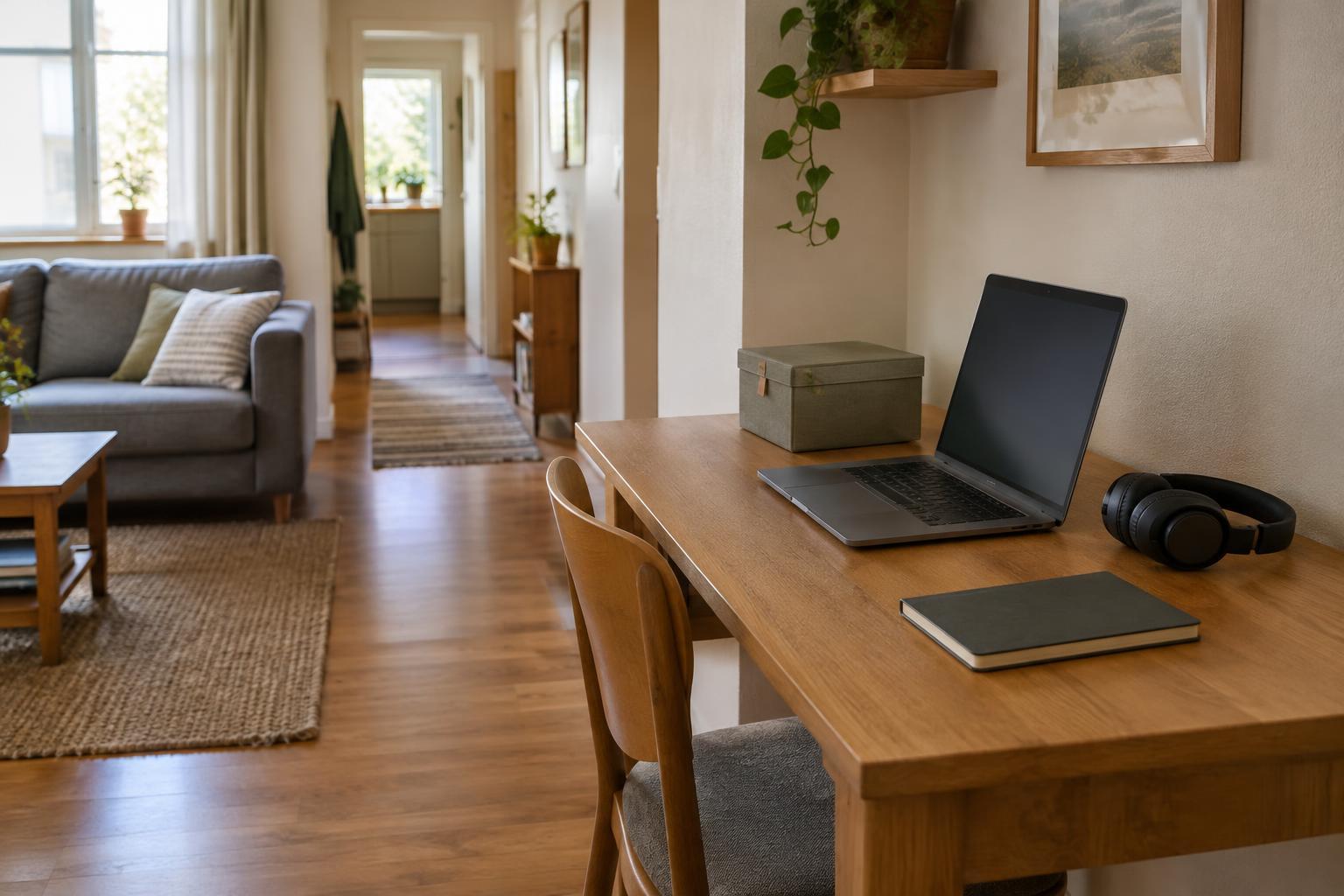
Picture a small living room that also serves as a work area. If you work there most weekdays, a stable writing surface may matter more than hidden storage. If you only need a desk occasionally, a folding table that can be put away might free up more floor space. A budget purchase works best when it makes your usual routine easier, not just when it has the longest list of functions.
Measuring the furniture but not the space it needs to work
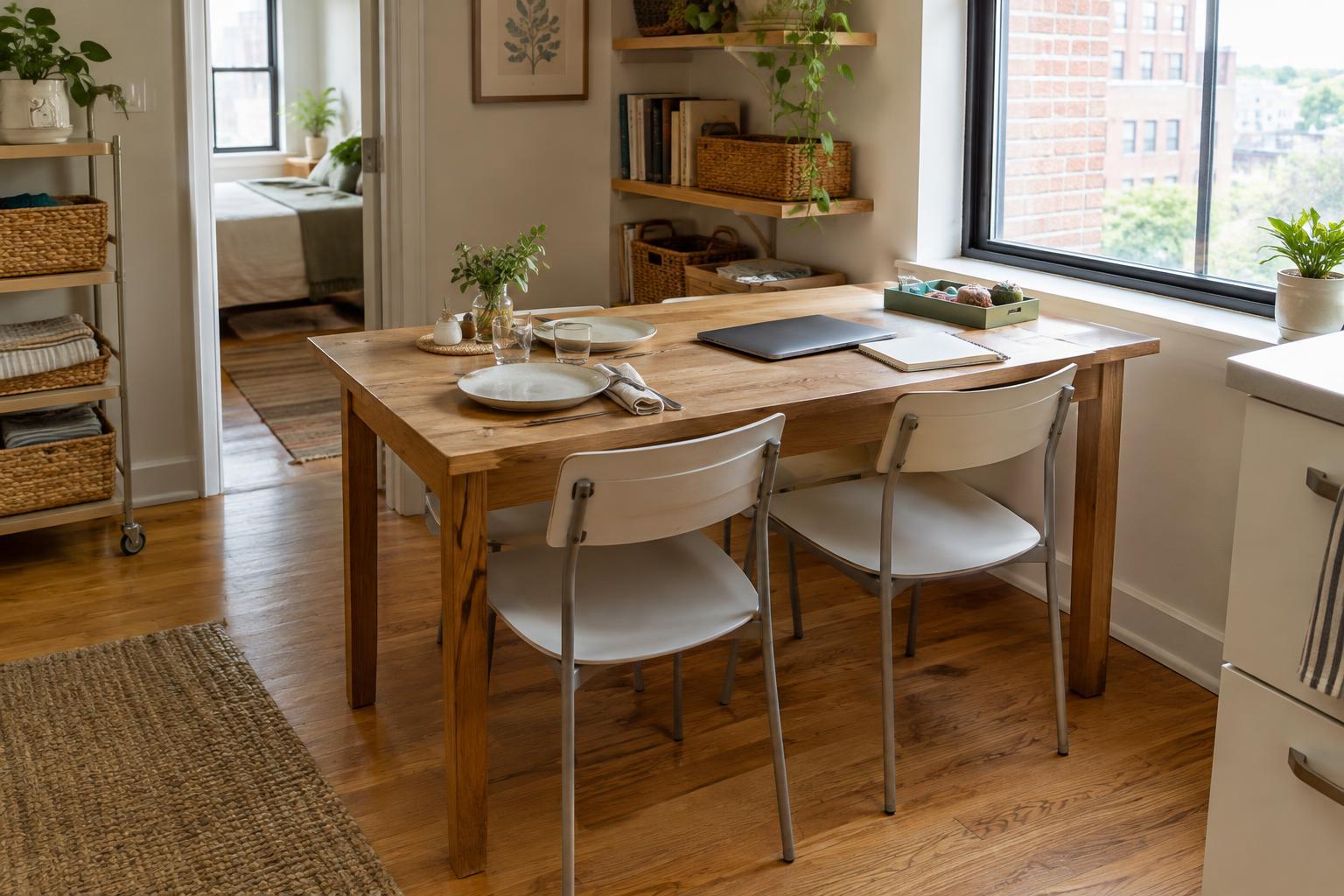
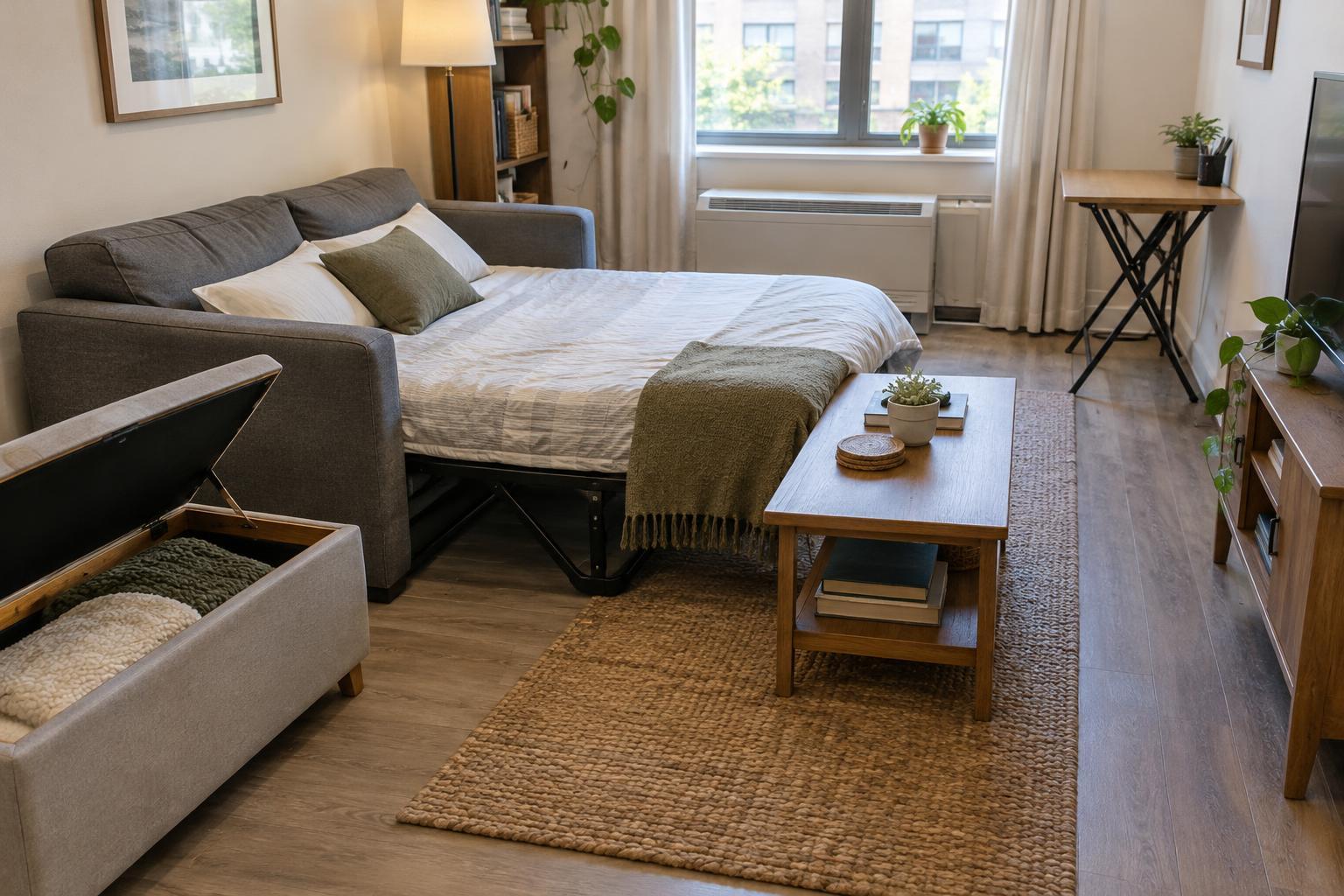
Product dimensions usually describe a piece in one position. A dining table may need extra room when extended, a sofa bed needs space in front when open, and a storage ottoman needs clearance to lift its lid. Measure the room, doorways and route into the room. Then mark out the piece in both its closed and open positions with painter’s tape or sheets of paper. Walk around the outline and check whether doors, drawers and other furniture still work.
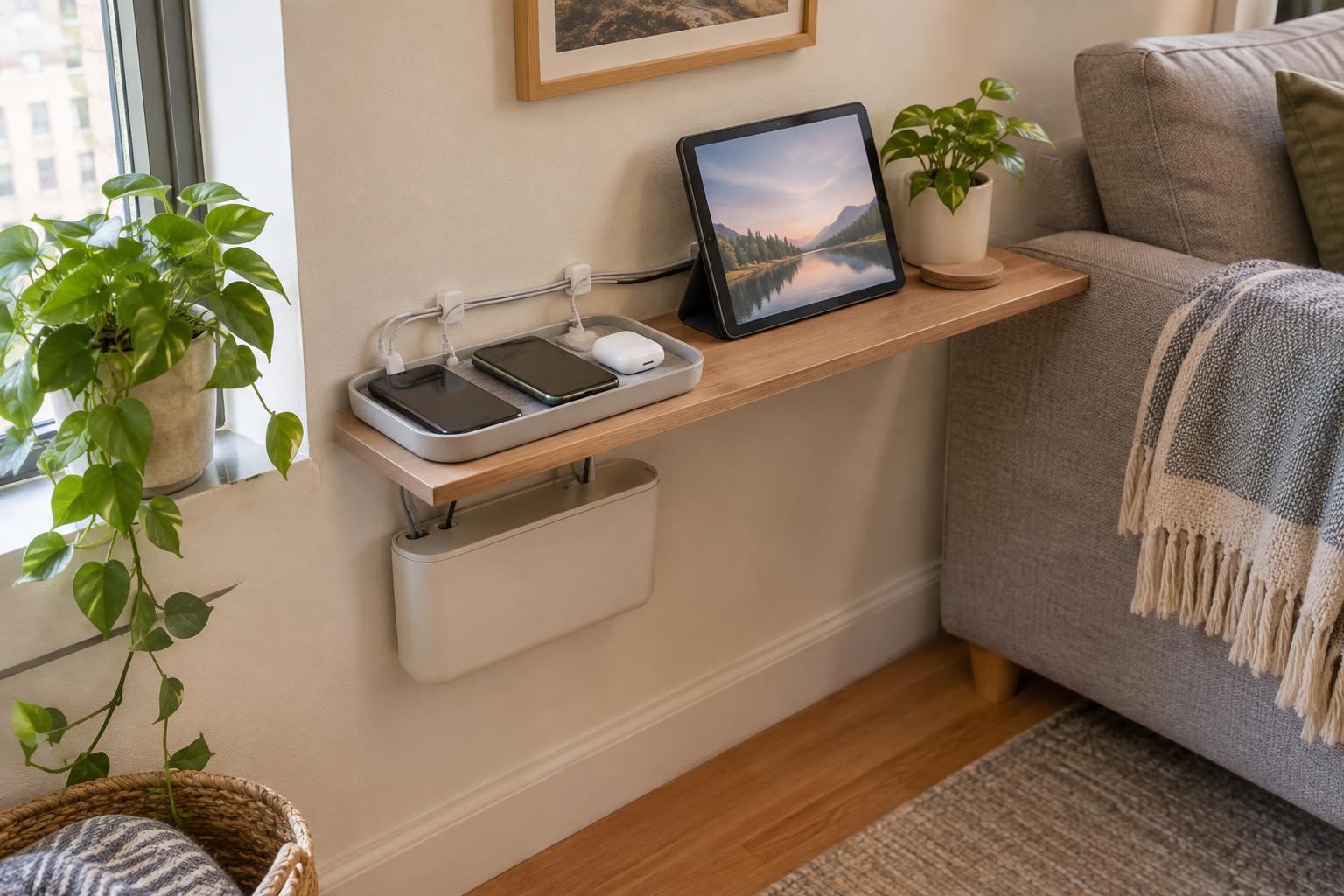
Consider the small movements of daily life, too. Can you pull out a chair without blocking the walkway? Can you reach a wall socket when the bed is open? Will a folding desk leave room for your knees? These checks cost nothing and can prevent a purchase that fits on paper but makes the room awkward to use.
Choosing the cheapest option without checking how it operates
A low price is appealing, but a piece you avoid converting will not earn its place in a compact room. Where possible, try the mechanism yourself. Open and close the bed, lift the storage lid or extend the table more than once. Notice whether it moves smoothly, feels steady in each position and can be managed by the person who will use it most. If buying online, look closely at assembly instructions and product details rather than relying only on styled photographs.
Pay particular attention to parts that move or carry weight: hinges, supports, handles and legs. Check the stated weight limits and any care instructions, especially for seating that will also be used for sleeping. A secondhand piece can be good value, but inspect its moving parts and test every configuration before agreeing to take it home. A simple, sturdy design you can use easily may serve you better than a more elaborate bargain.
Mistaking hidden storage for useful storage
Storage inside furniture is valuable only when your belongings fit and you can get to them without a struggle. A bench compartment might hold spare blankets well but be inconvenient for shoes needed every morning. Measure the items you intend to store, including their containers, and check the compartment’s internal dimensions if available. Think about how far the lid or drawer opens and whether nearby furniture will get in the way.
Avoid paying extra for storage simply because it is included. If you already have a good place for occasional items, a lighter or smaller piece may be more useful. In a multipurpose room, easy access often matters more than maximum capacity: storage that forces you to clear a tabletop every time you open it may soon become storage you never use.
Forgetting the full cost and a fallback plan
The purchase price is not always the final cost. Delivery, assembly, a suitable mattress or cushions, and any tools needed to put the piece together can change the comparison between options. Set a total spending limit before you browse, and leave a little room within it for these practical extras. Check the return conditions as well, particularly for large or assembled items, so you know what happens if the piece is uncomfortable or does not fit.
Before buying, ask what you will do if your needs change. A table that can move to another room or a sofa that remains comfortable without its bed function gives you more flexibility. If the budget is especially tight, consider whether a dependable single-purpose piece paired with something you already own would solve the problem for now. The best-value furniture is not necessarily the piece with the most uses; it is the one that fits your room, your routine and your total budget.