Start with what your regular routine misses
A seasonal deep clean works best as a supplement to ordinary upkeep, not a repeat of it. If you already wipe the kitchen counter most evenings, putting it on a special checklist adds little. Look instead for jobs that are easy to overlook: washing a shower curtain, cleaning the edges of a frequently used rug, wiping cabinet fronts or vacuuming behind a sofa. In a compact home, moving furniture can disrupt several activities at once, so pick tasks that will make a noticeable difference without requiring you to dismantle the room.
Walk through each space with a short list rather than an open-ended goal to clean everything. Note anything that is visibly dirty, awkward to reach or due for care according to its label or manual. Then choose a few priorities for this season. The rest can wait for another month or another season. A smaller list is easier to finish and leaves room for the ordinary laundry, dishes and meals that still need attention.
Divide the work into finishable sessions
Break each priority into a task with a clear stopping point. “Deep-clean the bedroom” is hard to fit between other commitments; “wipe the wardrobe doors and handles” is easier to start and finish. If a task needs several steps, separate them. You might clear and wipe one shelf on Tuesday, clean the next shelf later in the week, and leave the floor for its usual cleaning day.
Put one or two tasks on your calendar each week, allowing a little time to put things back. Pair a short job with an existing routine if that helps you remember it: wipe the skirting boards in the entryway before you mop, or clean the bathroom vent cover before your usual bathroom clean. If a session runs long, stop at a sensible point instead of borrowing time from the rest of the day. The plan should fit your week, not force the week to fit the plan.
Keep multipurpose rooms usable
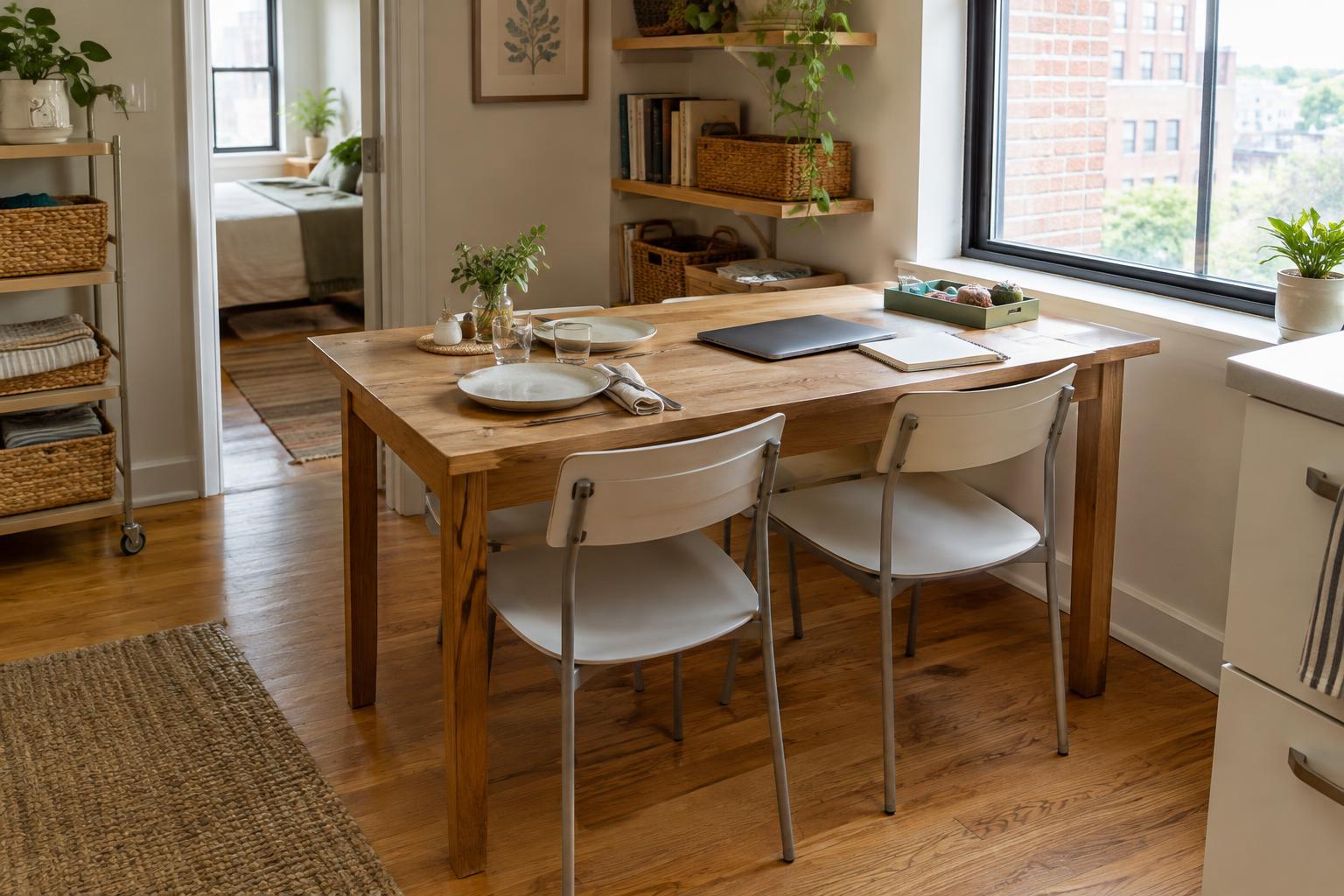
When a dining table is also a desk, or a living room doubles as a guest room, avoid starting several messy jobs at once. Work in one small zone and keep a clear place for items that must go back. Before pulling everything from a cupboard, decide where its contents will sit and whether you can restore the space before it is needed again. Cleaning half a cupboard thoroughly is more useful than leaving its full contents across the floor.
Use a simple sequence for each zone: move what is in the way, clean the exposed surfaces, let them dry if needed, and return only what belongs there. Keep a bag or box nearby for items to relocate, but do not let sorting become a separate, unplanned project. If you discover a larger repair or decluttering job, write it down and continue with the cleaning task you chose.
Match the method to the surface and the task
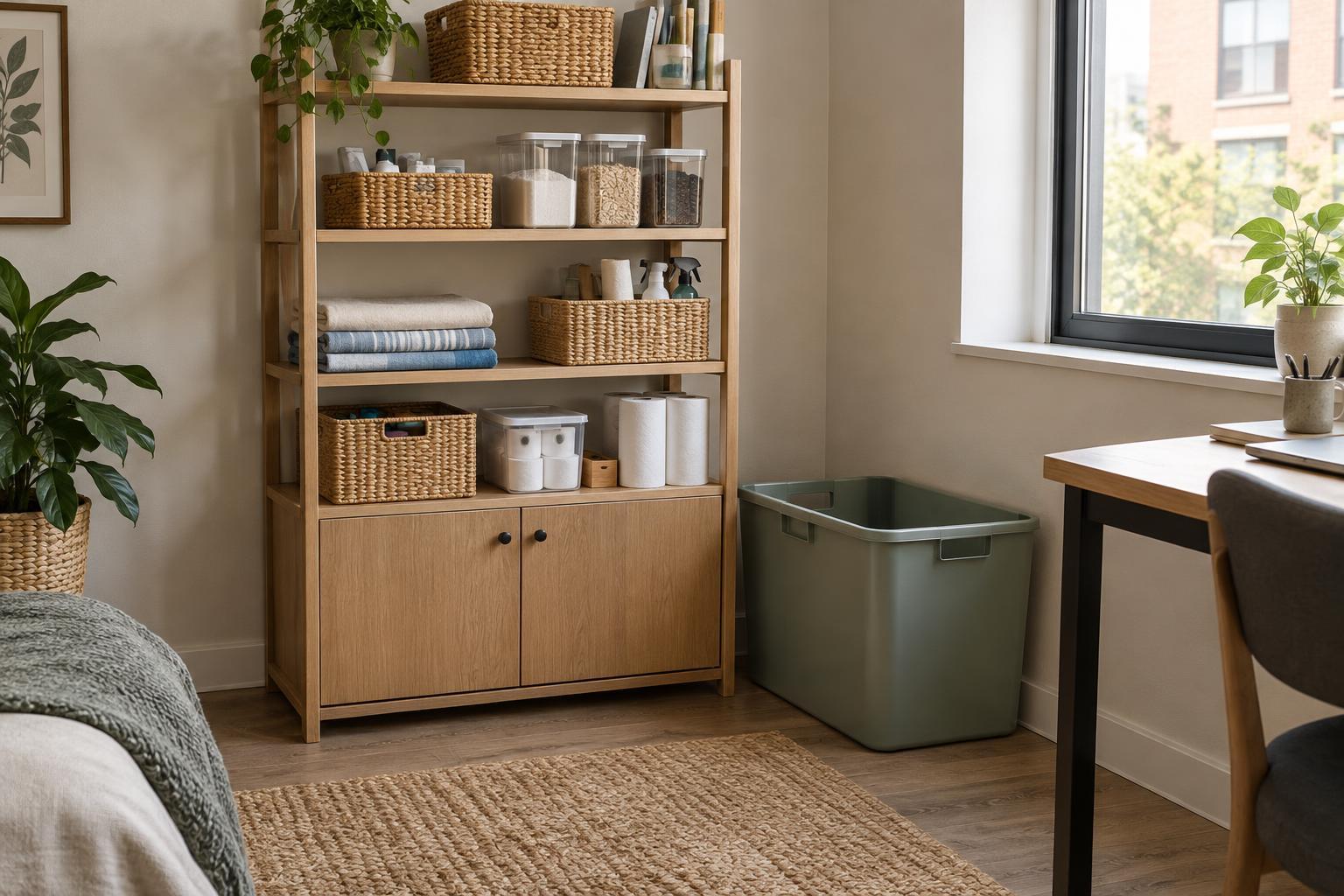
Gather supplies before each session so you do not spend your allotted time searching for a brush or clean cloth. For many jobs, a vacuum attachment, a soft cloth and an appropriate cleaner are enough. Check care labels or manufacturer guidance before cleaning upholstery, finishes and appliance parts. Test a product in an inconspicuous spot when you are unsure how a surface will react, and follow the product label for safe use and ventilation.
Order tasks to avoid undoing your work. Dust higher shelves before vacuuming below them, and clear crumbs from a drawer before wiping it. Make room for drying time when washing textiles or cleaning an area you need to use later that day. A short task is only truly short if the space is ready for normal use when you finish.
Leave yourself an easy starting point next season
At the end of each session, cross off what you completed and note anything you deliberately skipped. A plain note on your phone or a sheet inside a cupboard is enough; there is no need for a detailed tracking system. If a task repeatedly gets postponed, make it smaller, attach it to a routine, or reconsider whether it belongs on the seasonal list at all.
When the season changes, review your notes before making a new plan. Some jobs may need attention again, while others can wait. The aim is not to produce a perfectly cleaned home on a deadline. It is to give neglected areas regular attention in manageable pieces, while keeping the rooms you rely on comfortable and functional.