Start with the room’s jobs, not a perfect-room checklist
A multipurpose room gets messy in layers. A laptop and papers take over the table, a meal leaves crumbs, and a blanket or exercise mat stays out because it will be needed again tomorrow. A useful cleaning schedule accounts for those repeated changes of use. The goal is not to make the room look untouched at all times; it is to make the next activity easy to start.
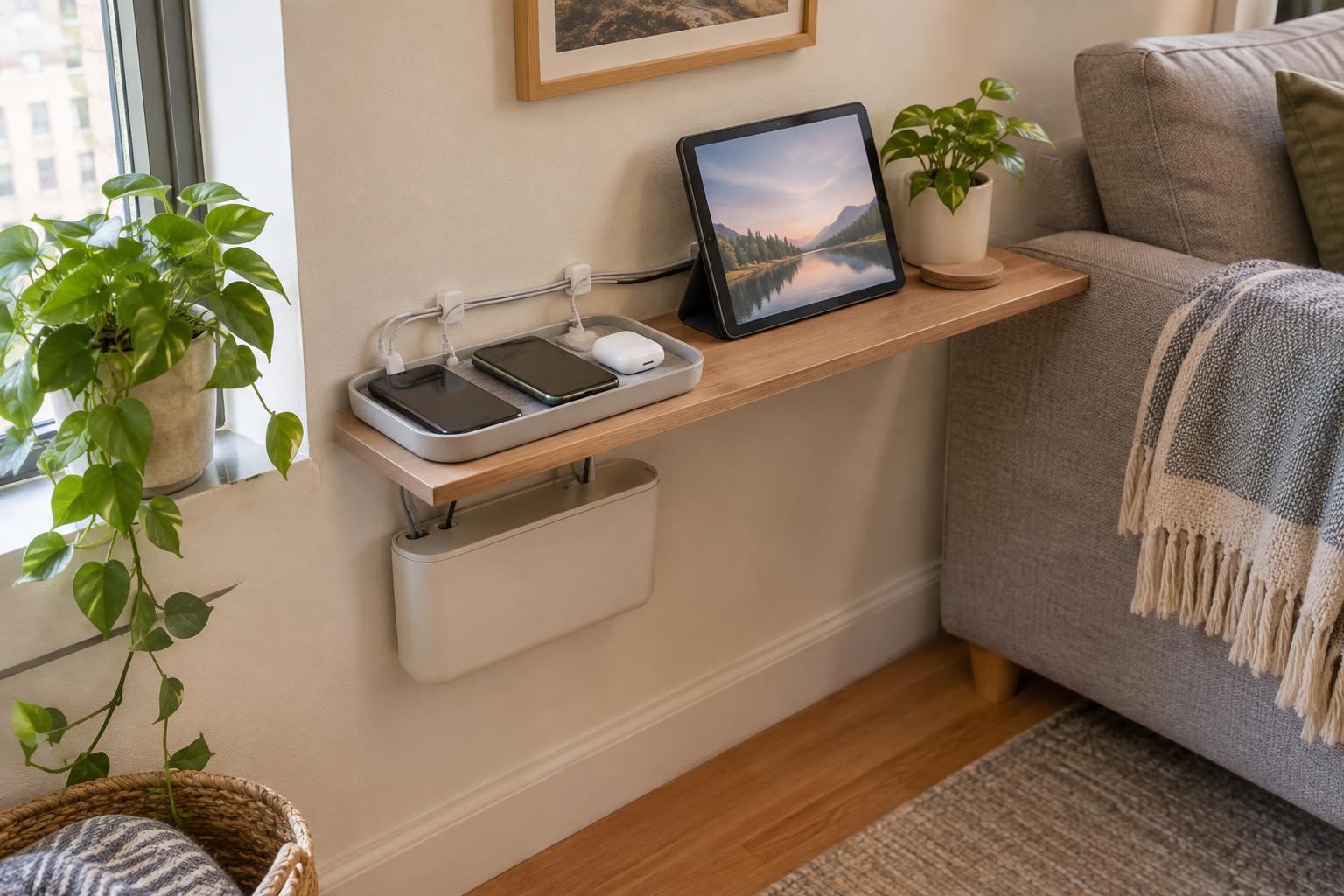
Before assigning tasks to days, notice the room’s main zones: perhaps a work surface, a seating area, a dining spot and an entry path. Give frequently used items an easy place to return to, such as a tray for desk supplies, a basket for throws and a folder for loose papers. Use containers you already own before buying organizers. If putting something away takes several steps, it is less likely to happen during a quick reset.
Do a ten-minute reset on most days
Pick a consistent transition, such as finishing work or clearing dinner, for a short reset. Return dishes to the kitchen, put rubbish in the bin, collect laundry and move items back to their assigned spots. Clear the main surface enough for its next use. If the table is both a desk and a dining area, a portable work tray can make that changeover faster than sorting every pen and cable separately.
Spend the last few minutes on the mess most likely to spread: wipe fresh spills, shake crumbs from a placemat into the bin, or straighten the floor so the walkway stays clear. This is maintenance, not a full clean. On a particularly busy day, choose just three essentials: remove food, clear the path and prepare the surface needed next. A shortened reset is more useful than abandoning the routine because ten minutes are unavailable.
Assign two focused sessions during the week
Early or midweek, allow about 15 to 20 minutes for surfaces. Move small objects from the desk, table and shelves, then dust or wipe those areas and return only what belongs there. Clean frequently handled spots such as light switches, remote controls and cabinet pulls when appropriate for their materials. Check the care guidance for finishes and electronics, and apply cleaner to a cloth rather than spraying near devices.
Later in the week, spend another 15 to 20 minutes on the floor and soft furnishings. Pick up cables, bags and furniture accessories first. Vacuum or sweep the open floor, then reach under movable pieces where dust tends to collect. Shake out a small rug if its care instructions allow it, and vacuum the sofa or chair if it needs attention. If time is tight, prioritize the walkway and the place where people sit or eat; less-used corners can wait until the next session.
Use the weekend for a reset, not a marathon
Set aside 20 to 30 minutes once a week to deal with items that do not have an obvious home. Sort papers into action, keep and recycle piles; return borrowed objects to other rooms; and empty the room’s rubbish and recycling. Wash any throws or cushion covers that need it, following their labels, rather than washing everything by default. If a storage basket is consistently overflowing, remove unused contents or reconsider where that category of item belongs.
Finish by setting up the room for the week ahead. Put the work tray where it will be easy to reach, leave the dining surface usable and make sure cleaning supplies are stocked. A small caddy with cloths, a suitable surface cleaner and bin liners may be enough. Follow product directions, ventilate as directed and never mix cleaning products. Keeping supplies simple makes it easier to repeat the schedule without adding cost or clutter.
Adjust the plan when the room has a heavier week
A guest visit, craft project or stretch of home working may shift where mess collects. Keep the daily reset, but swap the weekly sessions if needed: clean the floor after a project rather than waiting for its usual day, or wipe the table after a shared meal. The schedule should respond to how the room is used, not force every task onto a fixed day.
If you share the space, make responsibilities specific. “Clear your work items from the table after work” is easier to act on than “keep the room tidy.” Review the routine after a couple of weeks. If one task is repeatedly skipped, shorten it, move it to a more convenient time or make the supplies easier to reach. A realistic schedule is one that leaves the room ready for its next purpose and that you can return to after an imperfect week.