Start with the room’s likely spills
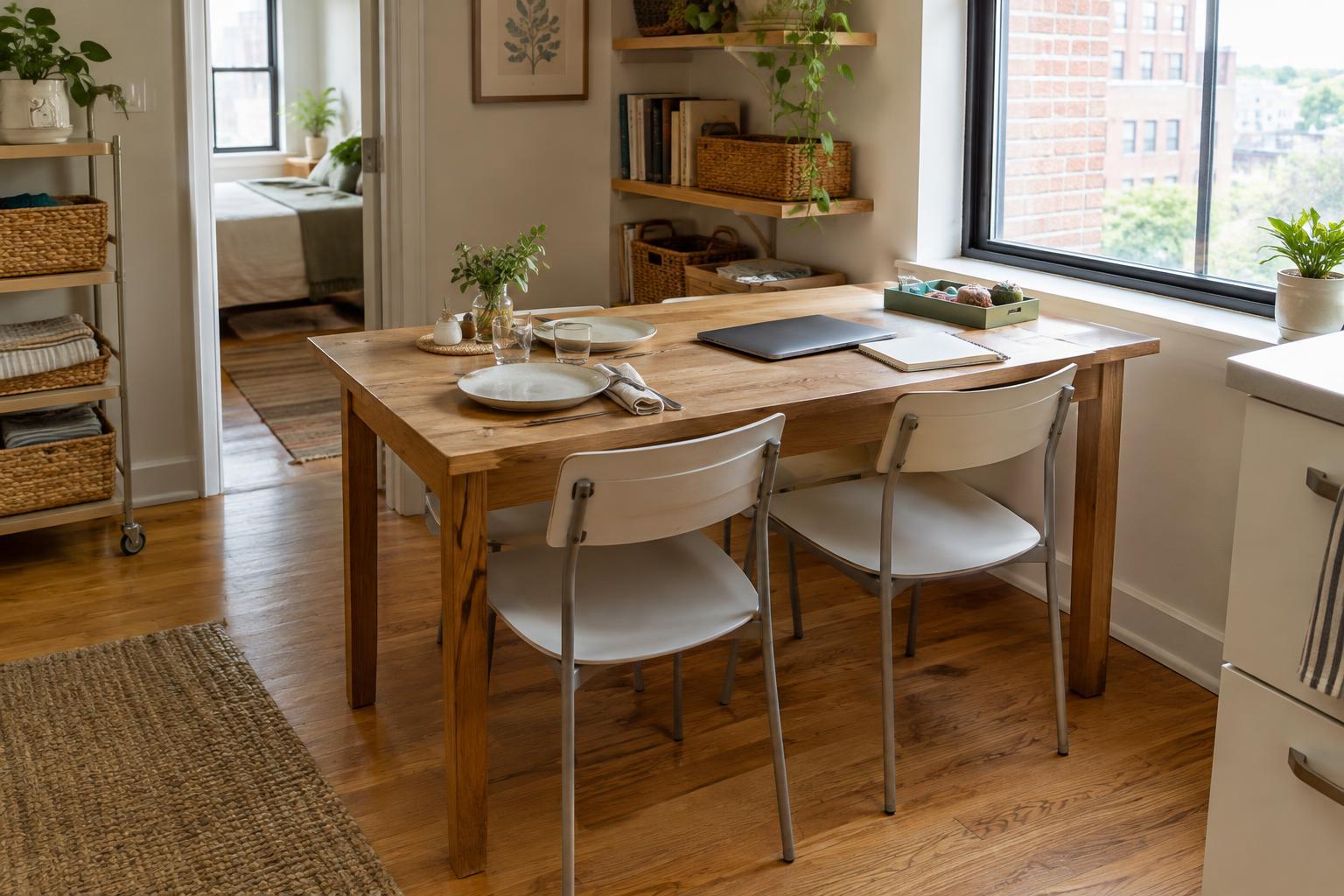
A multipurpose room has more ways to make a mess than a single-use space. A mug may sit beside a laptop, snacks may move from a folding table to the sofa, and a craft project may share a surface with paperwork. Rather than preparing for every possible accident, look at what regularly happens in the room. Drinks, food crumbs, tracked-in dirt and small craft spills are a useful starting list for many households.
Walk through the room and note what could be damaged or stained. Pay particular attention to rugs, upholstered seats, unfinished wood and anything electrical. This short check helps you decide where to keep supplies and what to move before a spill occurs. A washable mat under a frequent craft spot, for example, may be easier to manage than a larger cleaning kit.
Keep a compact kit within reach
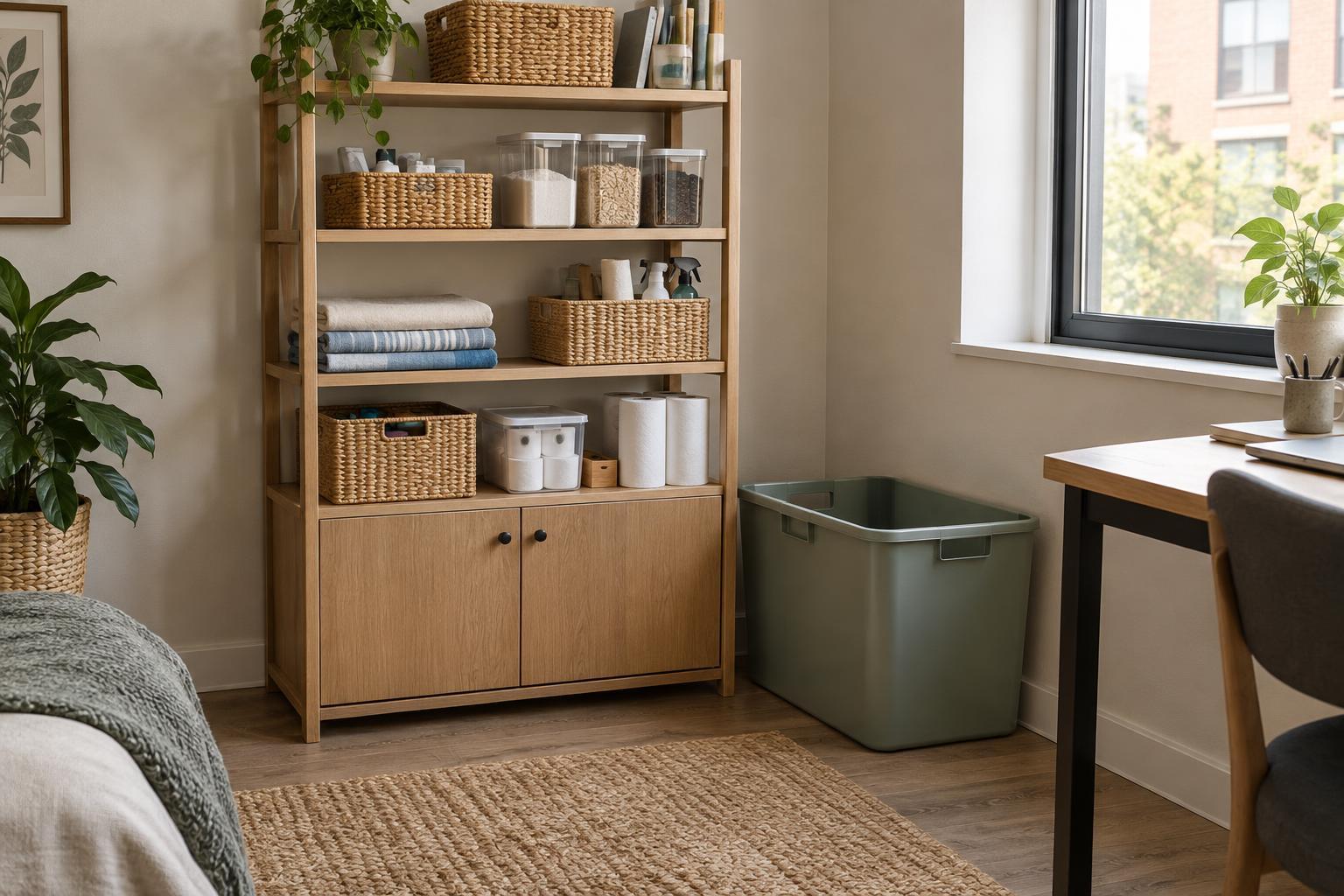
The best spill kit is one you can grab without emptying a cupboard. A small handled basket or lidded box can hold absorbent cloths, paper towels, a soft brush, a few bags for soiled materials and a pair of household gloves. Add any cleaner recommended for the surfaces you actually have, rather than buying a collection of specialty products. Label bottles clearly and keep them out of children’s and pets’ reach.
Place the kit near the room but away from food and electronics. If storage is tight, use an existing container and cut up worn, clean cotton towels for blotting cloths. Keep a separate dry cloth for delicate surfaces. The aim is not to make the kit comprehensive; it is to cover the first few minutes while you decide whether anything needs more careful cleaning.
Use the same first steps every time
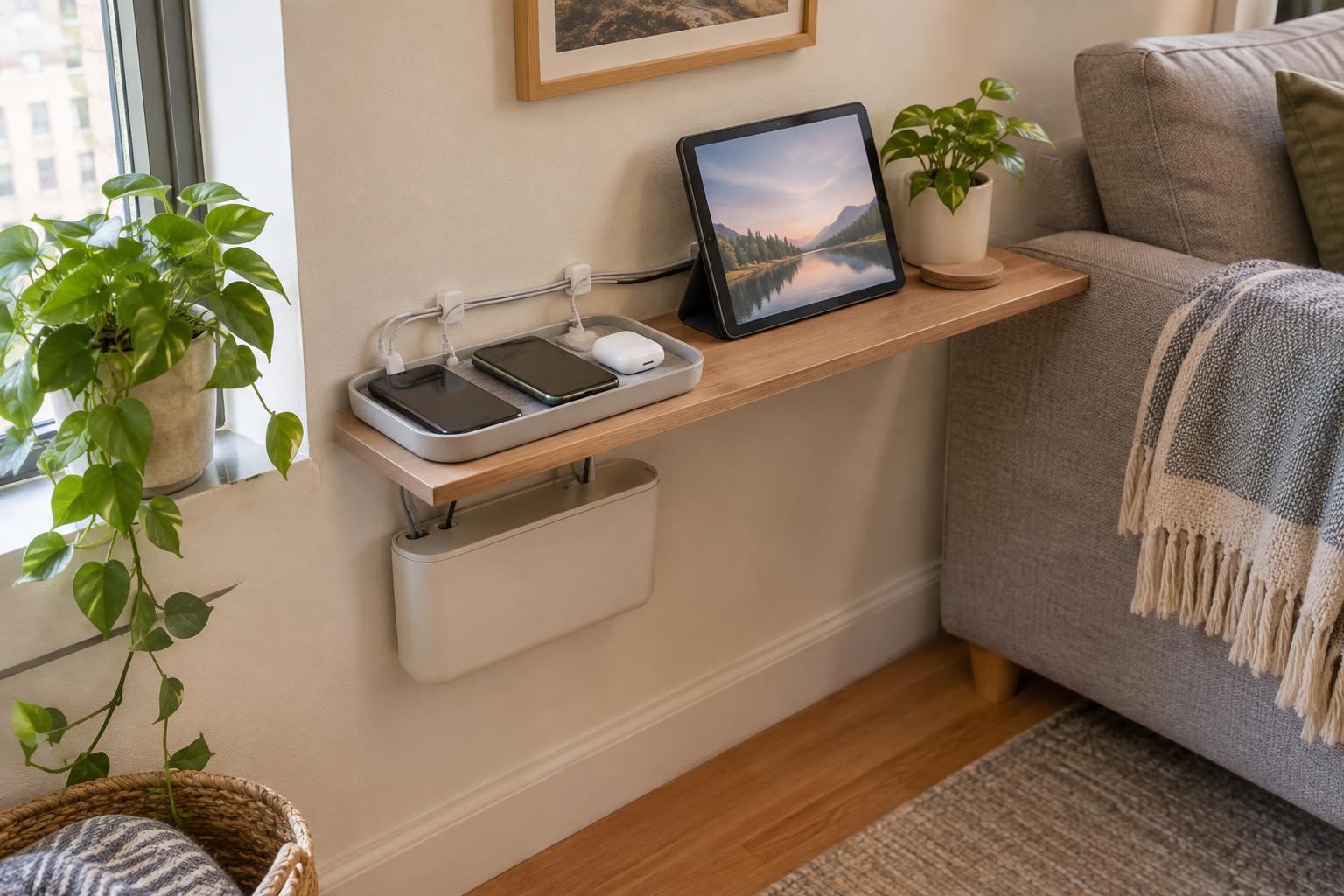
First, stop the spill from spreading. Set down what you are carrying, move loose papers and portable items out of the way, and keep people from walking through the wet area. If liquid reaches a plug, power strip or electrical device, do not handle wet equipment. Disconnect power only if you can do so safely from a dry location; otherwise, leave the area alone until it can be assessed safely.
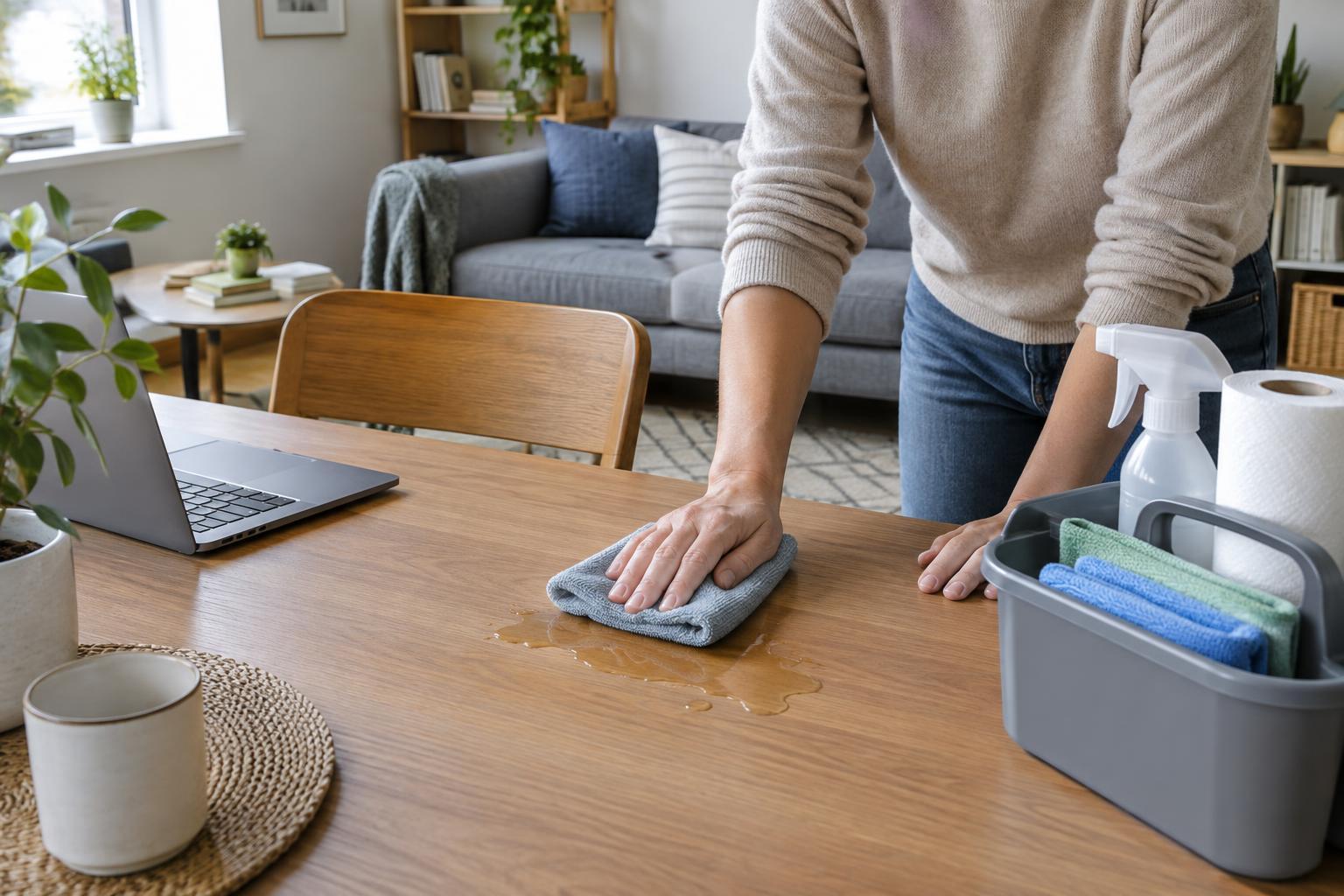
Next, lift or blot up as much as you can before adding a cleaner. Pick up solids with a spoon or brush, working from the outside toward the center. For liquids, press an absorbent cloth onto the spill and replace it as it becomes wet. Rubbing can push a stain farther into fabric or spread it across a rug. Once the excess is gone, check the surface’s care guidance and test any cleaning product on an inconspicuous spot.
Match the cleanup to the surface
On a hard, washable surface, wipe up the spill and follow with a cleaner suitable for that finish. Use only a lightly damp cloth around seams, edges and furniture joints where moisture may linger. On upholstery or rugs, blot first and avoid soaking the material. Some fabrics need specific cleaning methods, so check their care labels before using water or a product. Let cleaned areas dry fully before replacing cushions, rugs or stored items.
Keep chemicals simple and follow their labels. Do not mix cleaning products, including products that contain bleach, with other cleaners. If a spill involves paint, ink or another stubborn material, pause rather than scrubbing harder; the right method depends on both the substance and the surface. It is often better to protect the surrounding area and look up the item’s care instructions than to risk setting a mark.
Reset the room in two minutes
A routine is only quick if the kit is ready for next time. Put used cloths in the laundry, discard waste, rinse or replace tools as needed, and return the basket to its usual spot. Check under furniture and along baseboards for moisture or crumbs you may have missed. If the room doubles as a workspace, make sure the desk and floor are dry before bringing cables, papers and chairs back.
Notice whether the same spill keeps happening. A coaster by the desk, a tray for drinks on an uneven ottoman or a washable cover in a busy seating spot may prevent repeat cleanup. These small changes usually fit a compact room better than adding more storage or imposing a complicated set of rules. The goal is a room that can return to its next use with minimal disruption.